

AG Magazine • Health & Nutrition
Registered dietitians are calling fiber the defining nutrient of this decade. Not protein. Not creatine. Fiber. And if you’ve dismissed that as nutritional conservatism, the clinical evidence is worth a second look.
The average adult consumes roughly 15 grams of dietary fiber per day. The recommended intake is 25–38 grams. That gap — nearly half the target, every single day — is costing high performers in ways that standard gym nutrition culture rarely discusses: flattened energy curves, impaired glucose control, degraded gut microbiome diversity, and blunted recovery.
Fibermaxxing, the deliberate effort to maximize dietary fiber intake through food-first strategies, is not a trend. It is a return to a nutritional fundamental that performance culture has sidelined in its obsession with protein grams and macronutrient precision. A 2022 meta-analysis in The Lancet found that every 8-gram increase in daily fiber intake was associated with a 19% reduction in all-cause mortality risk — a number that rivals the most aggressively marketed supplements on the market. thelancet.com
This article breaks down the physiology of fibermaxxing, what actually changes in your body when you double your intake, and a practical roadmap for building a high-fiber diet that works alongside your training — not against it.
What Fibermaxxing Actually Does to Your Body
Fiber is not a passive nutrient. It is an active participant in metabolic regulation, hormonal signaling, and microbial ecology. Understanding how it works makes the performance case far more compelling than “it keeps you regular.
Blood Sugar: The Overlooked Performance Variable
Soluble fiber — found in oats, legumes, apples, and psyllium — forms a viscous gel in the digestive tract that slows glucose absorption. This flattens postprandial blood sugar spikes, reducing the insulin surge that follows high-glycemic meals. For athletes, this matters enormously: stable glucose means more sustained energy, fewer mid-session crashes, and reduced cortisol response to blood sugar volatility.
A 2021 randomized controlled trial in Diabetes Care found that participants who increased soluble fiber intake by 10 grams per day over 12 weeks saw a clinically significant reduction in fasting blood glucose and HbA1c — both markers of long-term glucose control. diabetesjournals.org These are outcomes typically associated with pharmaceutical intervention. Fiber achieves them through food.
Gut Microbiome: Fiber Feeds the System That Feeds You
Insoluble fiber and fermentable fibers — particularly from vegetables, wholegrains, and legumes — serve as prebiotics: substrate for the beneficial bacteria in your large intestine. When these bacteria ferment fiber, they produce short-chain fatty acids (SCFAs), primarily butyrate, acetate, and propionate. SCFAs are not a byproduct. They are a fuel source. Colonocytes — the cells lining your gut wall — derive up to 70% of their energy from butyrate produced through fiber fermentation, according to research published in Cell Host & Microbe. cell.com
A fiber-deficient diet systematically starves this ecosystem. The downstream consequences include increased intestinal permeability, elevated systemic inflammation, and degraded immune function — all of which impair recovery, body composition, and long-term health outcomes. Your microbiome is not separate from your performance. It is infrastructure.
The Fibermaxxing Performance Edge: What Changes in 30 Days
When you genuinely double your fiber intake — from the average 15 grams to a target 30–35 grams per day — here is what the evidence suggests you can expect across a 30-day window, assuming adequate hydration and a gradual ramp-up to avoid digestive adaptation discomfort.
Weeks 1–2: Adaptation Phase
The first two weeks involve microbial adaptation. As your fiber intake rises, populations of fiber-fermenting bacteria expand. You may experience bloating, increased gas, and altered transit time. This is not a sign that fiber is wrong for you. It is evidence that your microbiome was previously fiber-deprived and is now being asked to work. The adaptation window is typically 10–14 days when fiber is increased gradually — adding 4–5 grams per week rather than all at once.
Weeks 3–4: The Measurable Shift
By weeks three and four, most people report four consistent changes. First, energy stability: the removal of blood sugar swings that masquerade as afternoon fatigue. Second, reduced appetite between meals — SCFAs trigger the release of peptide YY and GLP-1, satiety hormones that extend the sensation of fullness after eating, according to a 2020 review in Nutrients. mdpi.com Third, improved stool regularity and reduced digestive discomfort. Fourth, and most relevant to performance, early improvements in training recovery as systemic inflammation markers begin to normalize.
Is that four weeks of mild digestive adjustment worth sustained blood sugar stability, improved microbiome diversity, and reduced inflammatory load? The physiology suggests yes. Emphatically.
Fibermaxxing vs. Protein Maximalism: A False Dichotomy
The comparison of fiber to protein is not a displacement argument. You do not need to eat less protein to eat more fiber. Fibermaxxing is an additive strategy — the goal is to upgrade the plant-based architecture of your diet to deliver fiber targets without displacing protein-dense foods.
A 30-gram fiber day is entirely achievable alongside a 160-gram protein day. The key is food selection. Legumes are the bridge: lentils deliver 18 grams of protein and 15 grams of fiber per cooked cup. Black beans provide 15 grams of each. These are not compromise foods. They are dual-purpose nutrition assets that most performance diets underutilize dramatically.
A 2023 review in the Journal of the Academy of Nutrition and Dietetics found that athletes who incorporated more plant-based protein sources — precisely because of their fiber content alongside protein — showed improved markers of gut diversity and recovery compared to those relying exclusively on animal protein. jandonline.org The fiber was not incidental. It was the mechanism.
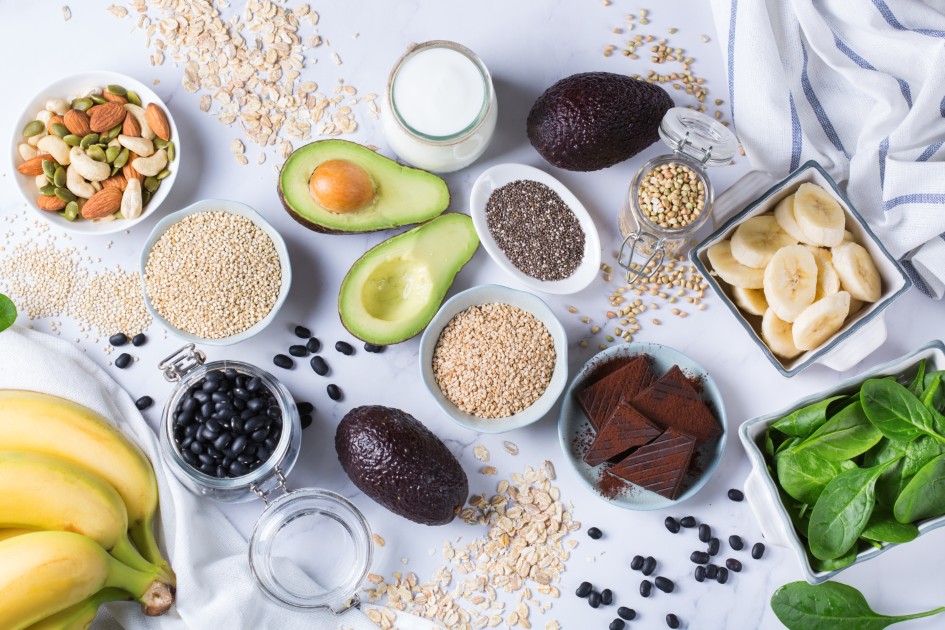
The High-Fiber Athlete Food Tier List
Prioritize these foods to hit 30+ grams of fiber without replacing your protein targets:
- Lentils (cooked, 1 cup): 15g fiber, 18g protein — the most efficient dual-macro food available
- Black beans (cooked, 1 cup): 15g fiber, 15g protein — ideal for post-training meals
- Oats (100g dry): 10g fiber, 13g protein — slow-release energy with gut-supportive beta-glucan
- Chia seeds (2 tbsp): 10g fiber, 4g protein — add to smoothies or overnight oats
- Avocado (1 whole): 10g fiber — pairs with nearly any meal, adds healthy fat
- Broccoli (1 cup cooked): 5g fiber — sulforaphane bonus for anti-inflammatory support
- Raspberries (1 cup): 8g fiber — the highest-fiber common fruit; ideal as a training-day snack
⚡ PRO TIP
Time your highest-fiber meals away from your training window. Consuming large amounts of soluble fiber within 90 minutes of a session delays gastric emptying and can blunt the rapid carbohydrate absorption you want pre-workout. Front-load fiber at breakfast and dinner, keep the pre-training meal lower in fiber (under 5 grams) but higher in easily digestible carbohydrates, and use your post-training meal to resume normal fiber intake. This preserves the performance benefits of stable blood sugar throughout the day without compromising in-session energy availability.
How to Build a Fibermaxxing Protocol in One Week
You do not need to overhaul your diet to fibermaxx effectively. You need to make three targeted upgrades that compound across every meal. Here is a week-one protocol built for the health-conscious achiever who already eats reasonably well and wants to close the fiber gap without disrupting their existing nutrition framework.
Day 1–3: Audit and Baseline
Track your current fiber intake for three days using a food logging app — Cronometer provides fiber data more accurately than most alternatives. Your goal is not perfection; it is a realistic baseline. Most people discover they are consuming 12–18 grams per day. That number is your starting point, not a judgment.
Day 4–7: Three Targeted Upgrades
Make exactly three changes:
- Swap your breakfast grain. Replace refined cereal or white toast with steel-cut oats or a whole-grain alternative. Gain: approximately 8–10 grams of fiber per meal.
- Add a legume serving to lunch or dinner. One cup of lentils, chickpeas, or black beans takes under 15 minutes to prepare from a can. Gain: 12–15 grams of fiber per serving.
- Add a fiber-dense snack. A cup of raspberries or two tablespoons of chia seeds in water or a smoothie. Gain: 8–10 grams per day.
Three changes. Roughly 28–35 additional grams of fiber per day. No meal plan overhaul required. Increase water intake proportionally — an additional 500–750ml per day is sufficient to support the increased fermentation load.
The Long-Term Case: Fiber, Longevity, and Inflammation
The performance benefits of fibermaxxing are real and measurable within weeks. The longevity benefits operate on a longer timeline — but they are among the most robust associations in nutritional epidemiology.
The 2022 Lancet meta-analysis referenced in the introduction analyzed data from 185 prospective studies and 58 clinical trials. Its conclusion was unambiguous: higher dietary fiber intake was consistently associated with reduced risk of type 2 diabetes, cardiovascular disease, colorectal cancer, and all-cause mortality thelancet.com. These associations held across populations, dietary patterns, and fiber sources. This is not a single study finding. It is a consensus signal.
On the inflammation front, a 2023 study in the American Journal of Clinical Nutrition found that adults with the highest fiber intake had significantly lower circulating levels of C-reactive protein — a primary marker of systemic inflammation — compared to low-fiber consumers academic.oup.com. Given that chronic low-grade inflammation is implicated in impaired recovery, reduced insulin sensitivity, and accelerated biological aging, a high-fiber diet is not a modest investment. It is foundational.
The question is not whether fibermaxxing is worth your attention. The question is what you’ve been optimizing for while fiber sat ignored in the nutritional background.
Start This Week: One Swap, One Addition, One Win
Protein built the performance nutrition paradigm of the last two decades. Fiber is the variable that makes everything else work better — the gut that absorbs your protein, the blood sugar stability that powers your training, the microbiome that modulates your inflammation, the SCFA production that fuels your gut lining. Fiber is not the new protein. It is the infrastructure protein required.
The research is clear, the targets are achievable, and the food sources are accessible at any grocery store for a fraction of the cost of premium supplements. You do not need to fibermaxx perfectly to benefit significantly. You need to fibermaxx consistently.
This week, track your fiber baseline for three days, then make the three upgrades above. In 30 days, compare your energy stability, digestive comfort, and training recovery. The numbers will do the rest of the convincing.