AG Magazine • Health & Nutrition
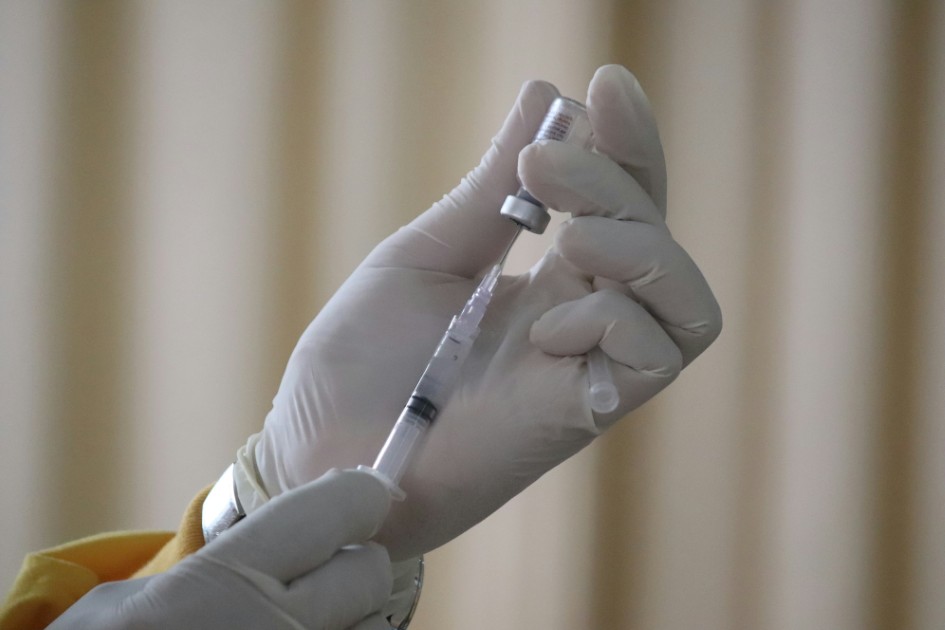
Here’s a headline you don’t expect from a fitness magazine: a vaccine for a skin rash may lower your dementia risk. New research on shingles vaccine dementia risk is turning heads in longevity science, and it deserves a place next to VO2 max and grip strength on your long-term health checklist. A 2026 Annals of Internal Medicine study tracking more than 500,000 older adults found that people who received the Shingrix shingles vaccine were 24% less likely to be diagnosed with dementia over the following four years. That’s not an outlier finding — it echoes earlier research from Wales, and more recent work replicating the same pattern across several countries. If you’re training hard now and planning to keep training into your 60s, 70s, and 80s, this connection matters — not because a vaccine replaces exercise, sleep, or nutrition, but because it may be one more low-effort lever in the same toolbox. Here’s what the research actually shows, why a shot against a nerve virus might influence cognitive decline decades later, and the one conversation to have with your doctor this month.
The Study Behind the Headline
The study, led by researchers at Brown University’s School of Public Health, followed 509,926 Medicare beneficiaries age 66 and older who had recently stayed in a skilled nursing facility. None had a prior dementia diagnosis when the study began. Researchers compared the roughly 8,800 people who received at least one dose of Shingrix against those who did not, then tracked new dementia diagnoses over the next four years.
The gap was substantial. Dementia was diagnosed in 18.8% of vaccinated participants, compared with 24.6% of those who skipped the vaccine. To account for the fact that healthier, more health-motivated people are often the ones who choose to get vaccinated, researchers used a statistical method called target trial emulation, designed to mimic the conditions of a randomized clinical trial in situations where running one directly isn’t practical.
Does the Shingles Vaccine Really Lower Dementia Risk?
Current evidence points to a strong, consistent association — not proof that the vaccine directly causes lower dementia rates. Multiple large studies, including the 2026 Annals of Internal Medicine analysis and an earlier Nature study from Wales, found shingles vaccination linked to a 20% to 24% lower dementia risk. Researchers call the pattern clinically meaningful, though a randomized trial is still needed to confirm direct cause and effect.
That distinction matters more than it might seem. Every study behind this headline is observational: researchers compared people who happened to get vaccinated with people who didn’t, rather than randomly assigning the shot the way a clinical trial would. No health agency currently recommends the shingles vaccine specifically to prevent dementia — its approved purpose remains preventing shingles and the nerve pain that can follow it. The dementia-risk connection is a consistent bonus signal, not (yet) a standalone reason to get vaccinated.
Why a Shot for Shingles Might Protect Your Brain
Shingles is caused by the reactivation of the varicella-zoster virus — the same virus behind chickenpox. After a childhood infection, the virus goes dormant in nerve tissue near the spine and skull, and it can reactivate decades later as immunity wanes with age. That reactivation isn’t only a skin event; researchers believe it can trigger inflammation in the blood vessels that supply the brain.
The working theory: even a small, unnoticed viral flare-up near the brain could cause tiny amounts of vascular damage over time, and reduced blood flow to the brain is directly tied to cognitive decline. Shingles itself is already linked to higher short-term risk of stroke and heart problems, which lends the vascular theory some independent support. By preventing viral reactivation before it starts, the vaccine may interrupt one small contributor to dementia risk. It isn’t a treatment for dementia, and it isn’t approved or marketed for that purpose — the protective signal is a side effect researchers are still working to fully explain.
It’s also worth noting plainly: the Annals of Internal Medicine study was funded by GlaxoSmithKline, the company that manufactures Shingrix. The authors disclosed this openly and reported that the funder had no role in the study’s design, analysis, or decision to publish — a standard and appropriate disclosure, but one worth knowing as you weigh the evidence.
Who Should Get the Shingles Vaccine After 40?
The CDC recommends two doses of Shingrix, spaced two to six months apart, for all immunocompetent adults age 50 and older — regardless of whether they remember having chickenpox or a prior shingles episode. In clinical trials, Shingrix was 97% effective at preventing shingles in adults 50 to 69, and 91% effective in adults 70 and older. Adults 19 and older with weakened immune systems should also be vaccinated. None of this replaces a conversation with your doctor — your personal health history determines the right timing.
The Evidence Keeps Adding Up
This isn’t one study standing alone. A landmark Nature study from Wales used a natural experiment — comparing people born just before and just after a vaccine-eligibility cutoff date — and found a 20% lower dementia risk among those who received the shingles vaccine over the following seven years. Because eligibility depended on a birth-date cutoff rather than personal choice, the design largely sidesteps the “healthy vaccinee” bias that complicates simpler observational studies. Researchers have since reported similar protective signals in England, Australia, New Zealand, and Canada.
A related 2025 analysis published in Cell went a step further, finding that shingles vaccination was also associated with fewer diagnoses of mild cognitive impairment, and slower disease progression in people already living with dementia. Taken together, the pattern shows up across different populations, different study designs, and different health systems — the kind of convergence that makes researchers pay attention.
Three things the research consistently shows:
Vaccinated adults are 20% to 24% less likely to develop dementia across multiple independent studies.
The protective signal appears in national health systems across the US, UK, Australia, and Canada.
Both the older live vaccine and the newer Shingrix show a similar pattern, strengthening the case that this isn’t a fluke.
⚡ PRO TIP
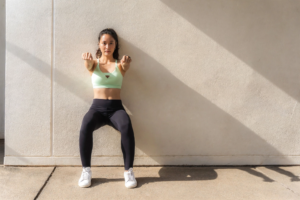
Vaccination and movement appear to work on parallel tracks for brain health. Regular physical activity is separately linked to sharper thinking, learning, and judgment as you age, with public health guidance recommending at least 150 minutes of moderate-intensity activity a week for older adults. Schedule your two Shingrix doses this year, and stack them with the cardio minutes you’re likely already tracking. Neither replaces the other — together, they’re two of the most evidence-backed, low-cost moves available for a sharper decade ahead.
Add One Shot to Your Longevity Plan
None of this means a vaccine is a substitute for training, sleep, or nutrition, or that it “cures” dementia risk on its own. What it does mean is that shingles vaccine and dementia risk are now linked by enough independent, peer-reviewed evidence that ignoring the connection doesn’t make sense. The strongest health decisions are rarely dramatic — they’re small, evidence-backed moves stacked over years. A two-dose vaccine series is about as low-effort and high-leverage as preventive health gets.
If you’re 50 or older, or you support a parent or partner who is, put the shingles vaccine on this month’s to-do list. Call your doctor or pharmacy, ask whether Shingrix fits your health history, and get your first dose scheduled — then put the second dose on your calendar in that same conversation, before life gets in the way.