

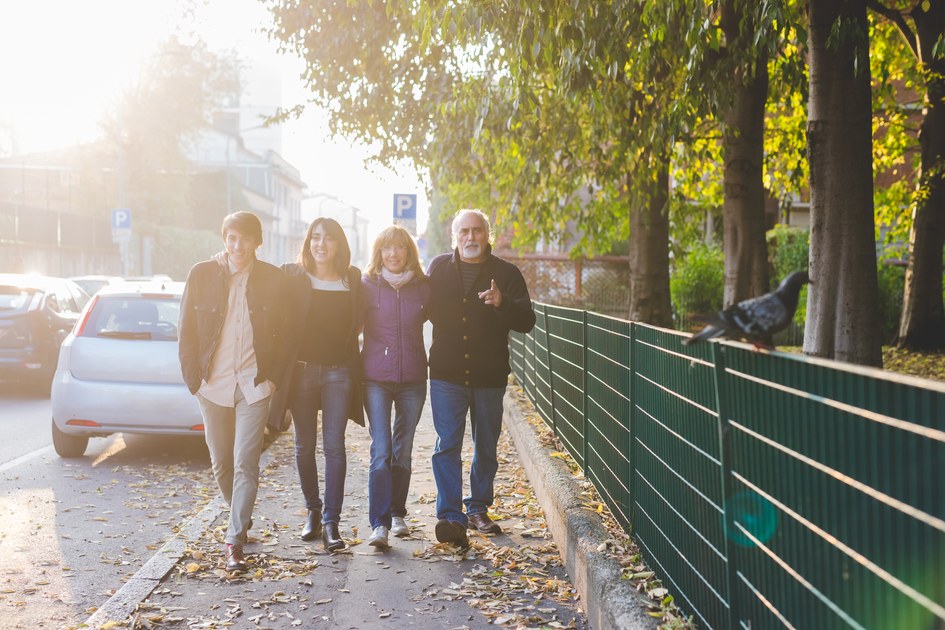
Walking after eating is one of the simplest habits in metabolic health, and the research on it is unusually consistent. A landmark 2016 randomized crossover trial in Diabetologia asked adults with type 2 diabetes to take a 10-minute walk after each main meal, starting within 5 minutes of finishing. Post-meal blood sugar came out 12 percent lower than when the same people did one 30-minute walk a day. Same total minutes, different timing.
Newer work shows the effect isn’t limited to people managing a condition. A 2026 crossover study of 20 healthy adults in Nutrition & Diabetes concluded that breaking up prolonged sitting improves post-meal glucose control, using nothing more than 2-minute brisk walks every 20 minutes after carbohydrate-rich meals.
With the holiday season’s long meals and longer sitting sessions ahead, here’s what the evidence says about how soon to walk, how long to go, how hard to push, and what a post-meal walk can and can’t do for you.
Get more like this — weekly.
One email a week. Research-backed wellness, translated into things you can actually do. No spam.
Does Walking After Eating Lower Blood Sugar?
Yes. A short walk after a meal blunts the rise in blood sugar compared with sitting still. Light walking works better than standing, and standing works better than sitting. Effects show up with walks as short as 2 to 5 minutes, while 10- to 15-minute walks produce larger, more consistent reductions, especially after dinner.
A rise in blood sugar after a meal is normal. According to Cleveland Clinic, it typically peaks about 30 to 90 minutes after you eat. A short walk in that window keeps the peak from climbing as high as it would if you stayed seated, and helps keep insulin levels steadier.
A systematic review and meta-analysis in Sports Medicine of seven crossover studies compared the options directly. Short standing breaks significantly reduced post-meal glucose versus prolonged sitting. Light-intensity walking was superior to both standing and sitting, with a moderate improvement in glucose and a moderate improvement in insulin.
How Soon and How Long Should You Walk After Eating?
The studies don’t use one identical protocol, but they point in the same direction. Start soon, keep it easy to brisk, and favor 10 to 15 minutes when you can.
How soon after eating should you walk?
Within about 30 minutes is a practical target. In the Diabetologia trial, walks began within 5 minutes of finishing each meal. In a 2024 randomized crossover trial in the Journal of Sports Sciences, physically inactive young women walked 30 minutes after each meal and still saw lower 3-hour average post-meal glucose. Both timings land inside the 30-to-90-minute window when blood sugar typically peaks.
How long should you walk after a meal?
Any walk beats none. Cleveland Clinic notes that walking just 2 to 5 minutes can bring blood sugar down a bit, and the 2026 study used 2-minute bouts. The stronger results came from longer walks: 10 minutes after each meal in the Diabetologia trial and 15 minutes in the 2024 trial. If you only have time for one, make it 10 to 15 minutes after your largest meal.
Does walking speed matter?
Not as much as you might think. The meta-analysis found light-intensity walking was enough to beat standing. The 2024 trial used a brisk pace, rated 13 to 14 on the Borg effort scale. The CDC counts walking fast as moderate-intensity activity, so a brisk post-meal walk also counts toward your 150 weekly minutes. Choose a pace you can talk at.
Why the Dinner Walk Counts Most
If you walk after only one meal, make it the evening one. In the Diabetologia trial, the benefit was particularly striking after the evening meal, when post-meal glucose was about 22 percent lower on the after-meal plan than on the single-daily-walk plan. The 2024 trial found the same pattern: the largest decline in 3-hour average glucose came after dinner, 6.71 mmol/L with walking versus 7.55 mmol/L on the control day.
That lines up with how most of us live. Dinner tends to be the largest meal, and it’s often followed by the longest stretch on the couch. Holiday dinners amplify both.
Is a walk after dinner better than one longer daily walk?
For post-meal blood sugar, the timing made the difference in the Diabetologia trial. Both plans added up to 30 minutes a day, yet splitting them into three after-meal walks produced lower post-meal glucose. That doesn’t make your morning run or lifting session less valuable for fitness. It means a short walk after dinner adds a benefit your workout earlier in the day doesn’t cover.
The 2026 study also hinted that people may not respond identically. Brisk walking breaks lowered glucose readings in both men and women, with the most significant effect seen in the women’s readings. It’s an early signal from a small study, but it’s one more reason not to judge the habit by one night’s numbers.
What can a post-meal walk not do?
It isn’t a full metabolic reset. The 2024 trial found that better post-meal numbers did not translate into better 24-hour glucose control in its young, healthy participants. The 2026 study was small, short and run in healthy adults. Post-meal walking is a useful habit, not a treatment.
If you manage diabetes or prediabetes, or use a glucose monitor, follow your care plan and talk with a clinician about any blood-sugar targets. Cleveland Clinic notes a short walk is unlikely to cause low blood sugar, but a hard workout could, which matters if you take glucose-lowering medication.
A Simple Post-Meal Walking Plan for the Holidays
You don’t need a tracker or a program. You need a default that’s easier than sitting back down.
- After the big meal: take a 10- to 15-minute walk within 30 minutes of finishing. Invite whoever is still at the table.
- During long sitting stretches: stand up and walk for 2 minutes every 20 to 30 minutes during games, movies or travel.
- When you can’t get outside: pace a hallway, walk the stairs or tidy the kitchen. Standing alone still helps a little.
- Across the week: the CDC says you can break activity into smaller chunks, so these walks add up toward your weekly goal.
If you like short, frequent movement, you’ll also like our guide to building movement into the workday.
Make the walk part of the meal, not a chore after it. Before you sit down to a holiday dinner, announce a “neighborhood loop” for when plates are cleared and leave your shoes by the door. A plan that’s already made and shared is far more likely to happen than one you decide on from the couch.
Enjoy the Meal. Then Take the Walk.
Walking after eating works because it uses your muscles at the moment your body is handling a meal. It’s free, it needs no equipment, and the research behind it holds up across healthy adults and people managing blood sugar alike.
You don’t need to eat less at the holidays to benefit, and you don’t need a hard workout. A 10- to 15-minute walk after your largest meal, plus a few 2-minute breaks during long sitting sessions, is enough to put this evidence to work.
Tonight, after dinner, walk for 10 minutes before you sit back down. Then make it the default for every holiday meal through New Year’s. This article is educational, not medical advice, so check with your clinician before changing how you manage blood sugar.




No one seems to have shared their thoughts on this topic yet
Leave a comment so your voice will be heard first.