

AG Magazine • Tech & Innovation
After a decade of strapping more sensors to your body, the most disruptive wearable of 2026 might be the one that asks the least of you. The Garmin CIRQA — a screenless recovery band that quietly cleared regulators in two countries and surfaced in Garmin’s own app code this spring — isn’t turning heads for a breakthrough sensor. It’s turning them into a price tag.
For years, the recovery-tracking market ran on one deal: buy the hardware, then pay forever. Whoop charges roughly $199 to $359 a year. Oura asks about $6 a month on top of a ring that starts at $349. The Garmin CIRQA is being positioned as the rebellion against that model — recovery data without the recurring invoice.
Here’s the contrarian truth most launch coverage skips: the smartest move isn’t just escaping the subscription. It’s asking whether you need to quantify every heartbeat at all. This is your field guide — what the Garmin CIRQA is, what the research says about obsessive tracking, and how to capture the upside of recovery data without paying for it twice, in cash or in calm.
What the Garmin CIRQA Actually Is — and Why Price Is the Story
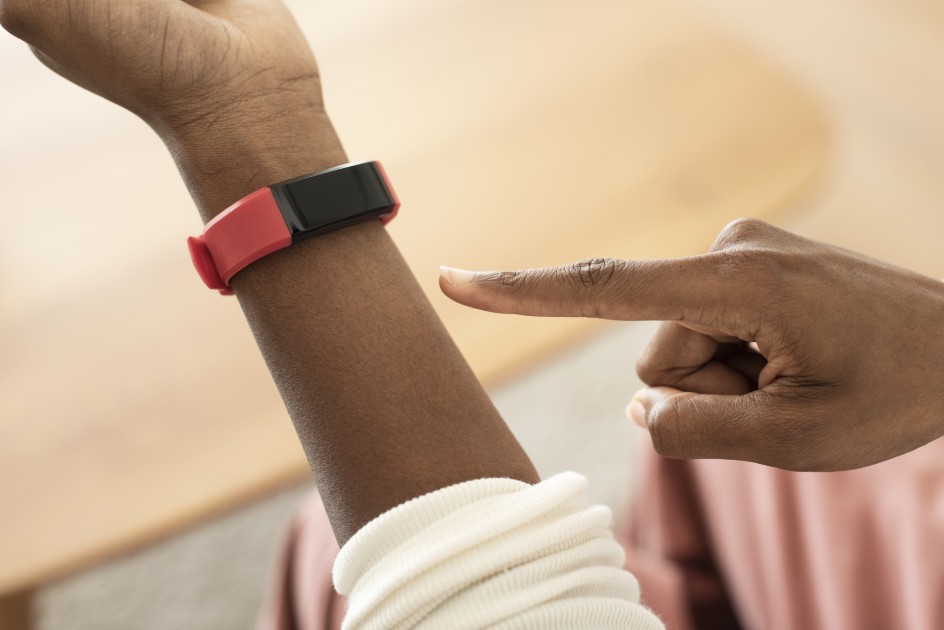
The Garmin CIRQA is a screenless recovery band built for 24/7 wear. It has no display, no GPS, and no notifications — just sensors that track heart rate, heart rate variability, stress, and sleep, syncing to your phone over Bluetooth. You wear a full watch for workouts and the CIRQA for the other 23 hours.
The leaks have been unusually loud for an unannounced product. A CIRQA listing briefly appeared on Garmin’s own regional sites in January 2026, a U.S. trademark followed, and by spring the device picked up regulatory clearances in Singapore and the UAE — the paperwork that precedes retail, not lab testing. App-code teardowns then showed Garmin Connect being readied for a screenless device. Translation: it’s close.
But the headline isn’t the sensors — it’s the math. A screenless Whoop alternative you buy once, rather than rent monthly, could save a committed user hundreds of dollars across a few years. That is the FOMO and the genuine value proposition rolled into one, and it is the real reason this band matters.
One honest caveat before you get swept up: the “no subscription” story is messier than the marketing implies. Garmin has been steadily building out its paid Connect+ tier, and some analysts expect the CIRQA’s deepest insights to lean on it. So is the Garmin CIRQA worth it without a subscription? Possibly — but treat “subscription-free” as the pitch, not yet a promise.
How much does Whoop cost per year?
Whoop sells access by subscription, not hardware. As of 2026, its plans run about $199 a year for the entry tier, $239 for the mid-tier, and $359 for the top medical-grade tier, with the device included. Oura takes a different route — roughly $72 a year in membership on top of a ring that starts near $349.
The Over-Optimization Backlash Nobody Markets to You
Here’s what no recovery-band ad will tell you: for some people, the tracking itself becomes the problem. Sleep clinicians have a name for it — orthosomnia — coined in a 2017 case series describing patients whose fixation on “perfect” tracker data fed real sleep-related anxiety and perfectionism.
This isn’t a fringe footnote. The pattern is common enough that a 2024 meta-analysis validated a screening questionnaire built to flag anxiety and preoccupation about sleep. When the score becomes the goal, you can chase a number straight into the insomnia you were trying to dodge.
It gets sharper when you ask how trustworthy that number is. When a 2023 multicenter study tested popular consumer trackers against clinical polysomnography, their sleep-stage accuracy varied widely from device to device. Your band may nail whether you slept, then merely guess how much was “deep” — yet that guess is the figure people stake their mood on each morning.
None of this is anti-data — it’s anti-dependence. The wellness industry spent a decade selling the idea that more numbers equal more health, and a growing chorus of clinicians now pushes back: the goal was never a flawless readiness score; it was sleeping, training, and living well. A band that helps you spot a pattern and then fades into the background is doing its job. One you check forty times a day is doing the opposite.
Can tracking your recovery actually make things worse?
Yes — for a subset of users. The risk isn’t the data; it’s your relationship with it. If a red “unrecovered” score makes you anxious, talks you out of a workout you felt ready for, or keeps you awake doing mental math, the device is taxing the very system it claims to protect. Recovery is a state, not a leaderboard.
What You’re Really Paying For — and What the Data Can’t Do
None of this means the metrics are snake oil. Heart rate variability is a real window into your nervous system, and a systematic review and meta-analysis of HRV-guided training found that letting daily HRV steer your hard days improved vagal heart-rate markers versus a fixed plan. The catch: the same analysis saw only small, often non-significant gains in actual fitness. The signal is real; the magic is oversold.
So what makes wearables genuinely work? Behavior, not biometrics. A 2022 review of systematic reviews in The Lancet Digital Health found that wearable trackers added roughly 1,800 steps a day and about 40 extra minutes of walking — and that the benefit held up over time. The device’s real superpower is accountability: it makes effort visible, and visibility builds habit.
That reframes the whole CIRQA question. You’re not really buying recovery — you’re buying a nudge. The smart play is to pay for the nudge once and refuse to let it run your life.
Do recovery bands actually improve fitness?
Indirectly, yes — mostly by keeping you consistent and helping you ease off before you overtrain. Used as a coach instead of a judge, recovery tracking earns its place. Here’s how to take the upside without the spiral:
- Set a check-in cadence, not a compulsion. Glance at your recovery score once in the morning, then put the phone down. Hourly checking trains anxiety, not fitness.
- Trust your body over the badge. If you feel strong but the band says “rest,” train. The number is one input, never the verdict.
- Buy hardware you own. A one-time purchase like the Garmin CIRQA sidesteps the wearable subscription fees — money better spent on coaching, shoes, or sleep.
- Take tracking holidays. Go dark for a week each month and keep your habits. If they hold without the data, the habit is yours — not the app’s.
⚡ PRO TIP
Treat any recovery band as a temporary teacher, not a lifelong dependency. Wear it intensively for 30 to 60 days to learn your patterns — how alcohol, late meals, and stress actually move your HRV — then trust what you learned. The goal is to graduate from the data, not to re-subscribe to it.
Own Your Data. Ditch the Treadmill.
The Garmin CIRQA is arriving at the exact moment the culture is tiring of being quantified, and that timing is no accident. The most forward-looking thing a wearable can do in 2026 isn’t to add another sensor — it’s to hand you the insight, take its fee just once, and then get out of your way.
So use the tool, then outgrow it. Buy the recovery data if it helps you move more and rest smarter — but refuse to rent your own biology by the month, and refuse to let a score run your mood. Track to learn, then trust yourself to live — that’s the upgrade no subscription can sell you.