


AG Magazine • Health & Nutrition
You have been taught to fear the word on the label. “Nitrates” shows up on cured-meat packaging and in alarming headlines, almost always lumped together as a single villain to avoid. But a study that tracked more than 52,000 adults for 27 years tells a far stranger story: the dietary nitrate in a daily helping of leafy greens lined up with a lower risk of dying, while the very same chemical from processed meat did the opposite.
That one result quietly dismantles how most of us think about nitrate. For years it has been treated as a simple yes-or-no toxin — count it, cut it, move on. The science says the number on the label tells you almost nothing on its own. What decides whether nitrate protects you or harms you is the company it keeps on the way into your body. A nitrate atom from a bagged salad and a nitrate atom from a breakfast sausage are chemically identical; what differs is everything riding alongside them.
So this is the real story of good nitrate vs bad nitrate: what the research actually found, why the source of your nitrate matters more than the amount, and exactly how to put the beneficial kind to work at your next meal. No fear, no hype — just the chemistry your plate has been running all along.
The Dietary Nitrate Paradox: One Molecule, Two Fates
Most nitrate research treats nitrate as one lump sum. The Danish Diet, Cancer, and Health Study did something smarter: it sorted nitrate by where it came from — vegetables, naturally occurring animal sources, processed-meat additives, and drinking water — then followed more than 52,000 people for 27 years to see who lived and who didn’t. Plant-sourced nitrate was associated with roughly 17% lower all-cause mortality among the highest consumers compared with the lowest.
Then the pattern inverted. Nitrate from naturally occurring animal sources, from processed-meat additives, and from tap water all tracked with higher mortality, not lower — the same analysis found the benefit belonged to plants alone. Total nitrate, the single figure that fuels most of the confusion, turned out to be a poor guide to anything. It is worth remembering this is observational research: it shows strong, consistent associations rather than ironclad proof of cause.
Why does spinach nitrate help while bacon nitrate harms?
Because nitrate never travels alone. From vegetables, it arrives wrapped in vitamin C, polyphenols, and other antioxidants. Harvard Health explains that those companions block the reactions that form harmful N-nitroso compounds — the carcinogenic byproducts at the heart of the nitrate scare. The nitrate in vegetables shows up with its own bodyguards.
Processed meat removes that protection and stacks the deck the other way. Nitrite is added as a preservative and color fixer, and Harvard’s School of Public Health notes that curing and high-heat cooking can generate carcinogenic compounds the vegetable version simply never produces. Same starting atom; opposite biological ending — decided entirely by the source.
Are the Nitrates in Vegetables Bad for You?
For most people, no. The nitrate in vegetables like spinach, beets, and arugula is not just safe — it is linked to better heart and longevity outcomes. Because vegetable nitrate comes packaged with protective antioxidants and converts into beneficial nitric oxide, it behaves nothing like the added nitrite in processed meat.
The richest plant sources of nitrate include:
- Leafy greens — spinach, arugula, and romaine consistently top the charts.
- Beets and beet greens — the classic source used in blood-pressure research.
- Celery and bok choy — everyday vegetables with surprisingly high levels.
- Cabbage and lettuce — mild-tasting and easy to eat in real volume.
That is why nutrition scientists have argued for years that treating all “nitrate” as one thing is misleading. The same six letters hide two opposite foods — one that widens your arteries and one flagged as a carcinogen — and the only way to tell them apart is to look at where the nitrate came from.
Does the nitrate in vegetables lower blood pressure?
It can. After you eat vegetable nitrate, bacteria on your tongue convert it to nitrite, and your body turns that into nitric oxide — a molecule that relaxes and widens blood vessels. A foundational 2013 meta-analysis of randomized trials found that inorganic nitrate, the kind concentrated in leafy greens and beets, measurably lowered blood pressure across pooled studies.
That nitric oxide pathway is the engine behind the cardiovascular payoff — the same circulatory boost athletes chase with beetroot shots — and it is exactly the part of the story the “nitrates are dangerous” headline leaves out.
Why Processed Meat Nitrates Tell a Different Story
Here, the caution is earned. The World Health Organization’s cancer agency classifies processed meat as a Group 1 carcinogen, citing sufficient evidence that it causes colorectal cancer, and estimates that each 50-gram daily portion — about one hot dog — raises colorectal-cancer risk by roughly 18%. That is the bad nitrate the headlines are really describing.
Context still matters. WHO is careful to note that a Group 1 label describes how strong the evidence is, not how dangerous the food is — the absolute risk to any one person stays modest. The point isn’t panic. It’s that processed meat nitrates and vegetable nitrate are simply not the same input, and your body knows the difference even when a nutrition label treats them as one.
Should you worry about the nitrate in your tap water?
It is worth a glance, not a panic. In the Danish data, nitrate from drinking water tracked with higher mortality, much like the processed-meat kind — a useful reminder that “natural” nitrate is not automatically good nitrate. The researchers estimated water exposure by linking each participant’s home address to local water-monitoring records, which is part of what makes the source-by-source comparison so striking.
If your water comes from a heavily farmed region, a simple home test or your utility’s annual quality report will tell you where you stand. For most people on regulated municipal supplies, though, the bigger lever is still what lands on the plate, not what fills the glass.
⚡ PRO TIP
Pair your nitrate-rich greens with a vitamin C source — a squeeze of lemon, a handful of strawberries, or sliced bell pepper in the salad. Vitamin C is one of the antioxidants that blocks harmful N-nitroso formation, so you strengthen the good-nitrate pathway and shut the bad one down in the same bite. Eating greens raw or lightly steamed preserves more of both.
Eat the Source, Not the Scare: Dietary Nitrate, Decoded
The next time a label or a headline warns you about “nitrates,” ask the only question that actually matters: where did it come from? The same compound that makes processed meat a documented carcinogen makes a bowl of spinach a longevity food. Source beats amount — every single time.
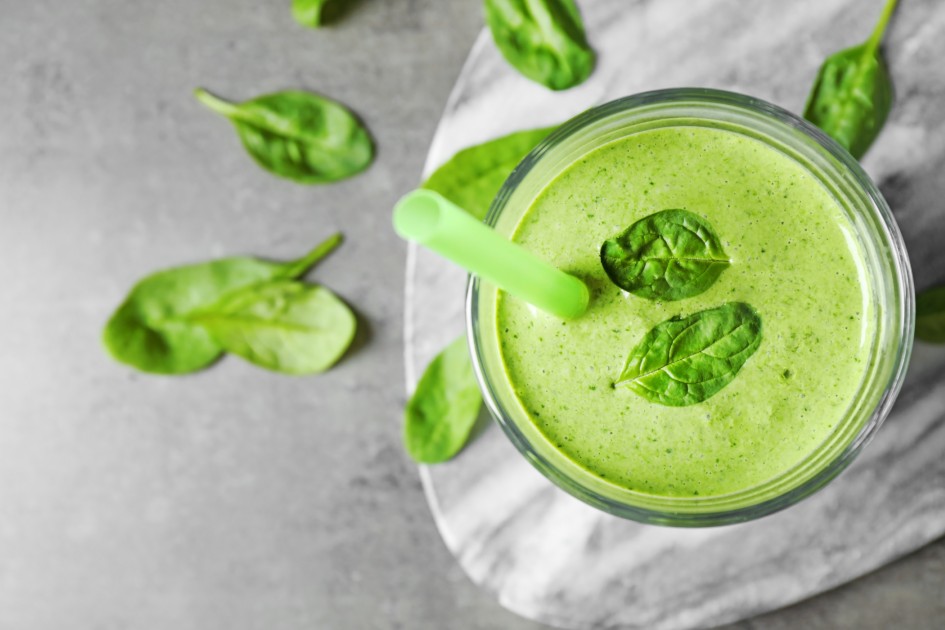
So stop counting nitrates and start sourcing them. Build one nitrate-rich plant into every meal today — a handful of arugula, a side of roasted beets, a green smoothie before noon — and let your body run the nitric oxide chemistry it was built for. Your blood vessels will notice long before your taste buds do.