


If you find daily tasks like opening jars or typing on a keyboard difficult because of stiff or achy hands, you’re not alone. We use our hands for everything from texting and cooking to giving high fives, so when pain or stiffness sets in, it can really impact our independence keckmedicine.org. The good news is that targeted hand exercises can help get you back in motion. Research has shown that regular hand exercise is one of the best ways to improve finger range of motion, strengthen grip, and even decrease pain. In one study, people with arthritis who did daily hand exercises for a year doubled their improvement in hand function compared to those who didn’t. (Those who stopped their exercises lost the benefits, emphasizing that consistency is key.) Simply put, keeping your hands moving is crucial for maintaining flexibility, strength, and the ability to perform everyday activities.
Pro Tip: If you have arthritis or a recent hand injury, consult your doctor or a physical therapist before starting these exercises. And for anyone, warming up your hands first can make the stretches more comfortable – try soaking your hands in warm water or wrapping them in a warm towel for 5–10 minutes to loosen up stiff joints.
Below are six simple exercises to improve hand mobility. Perform these moves gently (no harsh pain), and gradually increase repetitions as you get stronger. With a few minutes of practice each day or a few times a week, you’ll keep your hands nimble, strong, and ready for all the daily tasks life brings. Let’s get started!
1. Stress Ball Squeeze (Grip Strength)
A person squeezes a soft stress ball to strengthen the hand and forearm muscles.
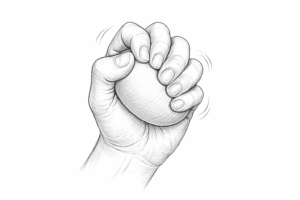
Strengthening your grip can make everyday tasks easier – from carrying groceries to opening door knobs – and help prevent you from dropping objects keckmedicine.org. One of the best ways to build grip strength is by squeezing a soft ball. This simple exercise works the muscles in your fingers, hand, and forearm, increasing hand strength and endurance. Over time, a stronger grip means more confidence in holding utensils, opening jars, and tackling daily tasks without strain. (If you have acute hand pain or an arthritis flare-up, skip heavy squeezing exercises until it subsides.)
How to Do It:
- Hold a soft stress ball (or a rolled-up sock or soft tennis ball) in one hand.
- Squeeze the ball as hard as you comfortably can (without causing pain). Hold the squeeze for about 3–5 seconds, then slowly release.
- Repeat this squeeze-and-release 10–15 times with one hand, then switch to the other hand and do the same.
- Aim to do this exercise 2–3 times per week. Allow at least 1–2 days of rest between sessions to let your hand muscles recover keckmedicine.org. Consistent practice will gradually improve your grip strength, helping you hold items more securely in daily life.
2. Gentle Fist (Finger Flexion and Extension)

This easy move helps loosen up stiff finger joints and improve flexibility throughout your hand. By slowly making a fist and then opening your hand, you’re moving your fingers through their natural range of motion, which increases blood flow and reduces stiffness. Think of it as a warm-up stretch for all the fingers. It’s simple, but it can significantly increase your finger range of motion over time keckmedicine.org. You can do this exercise anywhere – no equipment needed – to release tension in your hands.
How to Do It:
- Start with your hand held out in front of you, palm facing down and fingers straight.
- Slowly curl your fingers inward to form a loose fist. Keep it gentle – do not clench or squeeze tightly. Place your thumb on the outside of your fingers (resting across the index and middle finger) atlanticshoresliving.com.
- Hold the gentle fist for 1–2 seconds. You should feel a light stretch in your finger joints.
- Open your hand back up and straighten your fingers as much as possible, spreading them wide apart. This extends the fingers fully and stretches the muscles.
- Repeat this sequence 5–10 times per hand atlanticshoresliving.com. As your mobility improves, you can hold the fist a bit longer (up to 5–10 seconds) to deepen the stretch. This exercise helps lubricate the joints and can gradually increase how far you can bend and straighten your fingers.
3. Finger Tendon Glides (Full Range-of-Motion Sequence)
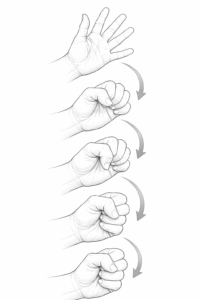
Finger tendon glides are a sequence of movements that move your fingers through their full range of motion and keep your tendons gliding smoothly. Each position engages different tendons in your fingers, helping to prevent stiffness and improve overall hand mobility health.harvard.edu. Therapists often recommend tendon glides for conditions like carpal tunnel syndrome or after hand injuries, but they are beneficial for anyone wanting to maintain nimble fingers. This exercise will take your fingers through a hook fist, full fist, and straight fist, ensuring all the finger joints get a gentle workout t.
How to Do It:
- Begin with your hand open, holding all fingers straight and together (your hand should be in a neutral, flat position). health.harvard.edu
- Hook Fist: Bend the top two joints of your fingers (the knuckles nearest your nails and the middle joints) while keeping your big knuckles (at the base of your fingers) straight. Your fingers will form a hook shape (like a claw). health.harvard.edu Hold for 1–2 seconds.
- Straighten your fingers back out fully.
- Full Fist: Now bend all your finger joints to curl your fingers into a full fist. Your fingertips will touch (or nearly touch) the palm of your hand. Place your thumb across the outside of your fingers. You should feel a stretch on the back of your fingers and hand. Hold 1–2 seconds, then open your hand back to flat.
- Straight Fist: Finally, make a straight fist by bending the knuckle joints (at the base of your fingers) while keeping the last joints (the ones near your fingernails) straight. In this position, your fingertips touch the lower part of your palm or the base of your fingers. (It’s like a half-fist where the fingers are folded in, but the fingertips are not curled under.) Hold briefly, then unfold your fingers straight again.
- Repeat this whole sequence (open hand → hook fist → open → full fist → open → straight fist → open) 5–10 times on each hand. Perform the movements slowly and deliberately. Over time, tendon glides can improve finger range of motion and help your hands feel more flexible for tasks that require finger coordination.
4. Finger Lifts (Improve Flexibility & Coordination)
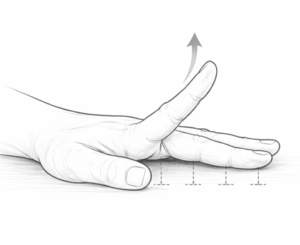
Lifting each finger individually helps each finger learn to move independently. This exercise increases finger flexibility and range of motion, and can even enhance your coordination and finger strength in the process. Finger lifts gently stretch the tendons on the top of your hand and fingers. If your fingers feel stiff when you try to spread them or type, this move can help by gradually improving how far each finger can lift and move on its own.
How to Do It:
- Place one hand flat on a table, palm down, with your fingers relaxed and extended.
- Starting with your thumb, gently lift one finger at a time off the table as high as is comfortable keckmedicine.org. Keep the other fingers flat on the table. You should feel a slight stretch along the top of the hand and finger.
- Hold the lifted finger for 1–2 seconds, then slowly lower it back down.
- Repeat this for each finger of the hand, one by one (thumb through pinky).
- Switch to the other hand and do the same sequence. Aim for 8–10 lifts per finger on each hand.
- Focus on slow, controlled movements. Over time, finger lifts will help increase the range of motion of your finger joints and improve finger flexibility for tasks like typing or playing an instrument keckmedicine.org.
5. Thumb Stretches (Thumb Flexion and Opposition)
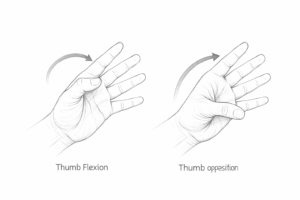
Your thumb plays a huge role in grip and pinch movements, so keeping it flexible is important. These thumb stretches improve thumb mobility and help maintain the ability to reach and oppose the thumb to the fingers. By stretching the thumb’s range of motion, you’ll make tasks like buttoning a shirt, holding a pen, or picking up objects easier on your thumb joint. They also help reduce stiffness in the muscles and tendons around the thumb.
How to Do It:
- Thumb Flexion/Extension: Hold your hand out with fingers straight and your thumb extended to the side (like a “thumbs up” position, but fingers together). Gently bend your thumb across your palm, reaching toward the base of your pinky finger. Go as far as you comfortably can – you might actually touch the palm or just get close. Hold the stretch for 2–3 seconds, then bring your thumb back out to the starting position (extended outward again). Repeat 5–10 times. This stretches the web of your thumb and keeps the thumb joint flexible health.harvard.edu.
- Thumb-to-Finger Touches (“O” Stretch): Starting with your hand open, touch the tip of your thumb to the tip of your index finger, forming an “O” shape with your thumb and finger. Hold for a second, then straighten the thumb back out. Repeat this touch with each finger: thumb to middle finger, ring finger, and pinky in turn physio-pedia.com. When the thumb touches the pinky (or as close as it can), you’ll feel a nice stretch in your thumb’s base. Do 5 rounds of these touches on each hand. This exercise improves your thumb’s opposition (the ability to touch each fingertip), which is crucial for fine motor skills and grip.
Performing these thumb stretches will help keep your thumbs nimble. Over time, you may notice a better pinch strength (for example, opening jars or grasping keys) thanks to improved thumb flexibility and muscle activation.
6. Wrist Stretch (Wrist Flexibility and Range of Motion)
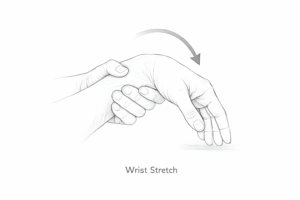
When talking about hand mobility, we can’t forget the wrists. Flexible wrists are essential for healthy hand movement – many activities (like push-ups, yoga poses, or even pushing open a door) put strain on the wrist if it’s stiff. Regularly stretching your wrists can increase their range of motion and reduce discomfort during daily activities keckmedicine.org. It also helps prevent injuries like tendinitis by keeping the wrist joints supple. This wrist stretch targets the forearm muscles and wrist tendons that can become tight with repetitive use (such as typing or lifting).
How to Do It:
- Extend your right arm straight in front of you at shoulder height, with your elbow locked and palm facing down.
- With your left hand, grasp the fingers of your right hand and gently bend your right wrist downward, so your fingers point toward the floor keckmedicine.org. You should feel a mild stretch along the top of your wrist and forearm. Do not pull to the point of pain – just until you feel tension.
- Hold this stretch for 15–30 seconds keckmedicine.org, breathing normally.
- Release and switch sides, extending your left arm and using your right hand to bend the left wrist. Hold for the same amount of time.
- Repeat the stretch 2–4 times on each side. With each repetition, you might gently deepen the stretch as your flexibility improves.
- For a more complete wrist routine, you can also do wrist flexion/extension movements without assistance: After the static stretch above, try bending your wrist up (palms toward the ceiling) and down (palms toward the floor) a few times through its full range, or make slow wrist circles. These dynamic movements further promote flexibility and blood flow to the area atlanticshoresliving.com.
Keeping your wrists limber will make it easier to perform weight-bearing tasks and can relieve that achy feeling you get after long periods of keyboard use or handwriting. Over time, better wrist mobility complements your finger exercises to give you full hand flexibility.
Conclusion: Keep Your Hands Moving
Improving hand mobility is all about consistent, gentle practice. Try to incorporate these exercises into your daily routine – for example, squeeze a stress ball while watching TV or do finger stretches after working at a computer. Remember that it may take a few weeks of regular exercise to notice significant improvements, but even small gains in flexibility or strength can make everyday tasks easier. In fact, studies have found that patients who stick with hand exercise routines experience better hand function and less pain, maintaining more independence in daily life arthritis.org.
Most importantly, don’t give up. It’s normal for progress to be gradual. If you experience pain beyond mild discomfort, ease up and consider consulting a healthcare professional for guidance. Otherwise, keep at it! Your hands will adapt and get stronger with time. As one wellness expert notes, it’s never too late to start giving your hands some extra attention to keep them strong, flexible, and ready for whatever life brings atlanticshoresliving.com. So, roll up a towel or grab that stress ball and start exercising your hands today – your future self (and your hands) will thank you for it.