

Recovery and Sleep Optimization
Unlocking better performance, health, and mental well-being through quality rest
Quality sleep is often called the unsung hero of peak performance and wellness – and for good reason. During sleep, your body repairs muscle, replenishes energy stores, and even balances hormones that keep you in top form uchealth.org. Skimping on rest isn’t just a minor setback; it can be the difference between feeling energized and exhausted. If you’ve ever pushed through workouts on too little sleep or felt groggy at work after a late night, you know how much adequate rest matters. Let’s explore how optimizing your sleep can supercharge athletic recovery, boost your overall health, and strengthen your mental health – and how you can start sleeping smarter tonight.
The Power of Sleep for Athletic Performance and Recovery
“Sleep is the greatest legal performance-enhancing drug that few athletes are abusing enough,” says renowned neuroscientist Matthew Walker. Elite competitors like Roger Federer and LeBron James reportedly sleep around 10–12 hours per day (including naps) to maximize recovery triathlontraining-coach.com. While most of us can’t log quite that much pillow time, the message is clear: more quality sleep means better performance. Research backs this up – when collegiate basketball players increased sleep from ~6.5 to 8.5 hours, their free-throw accuracy improved 11% and sprint times got faster. In another Stanford study, varsity tennis players who slept at least 9 hours saw their serve accuracy jump from 36% to nearly 42% sleepfoundation.org. Put simply, well-rested athletes run faster, shoot sharper, and react quicker.
On the flip side, lack of sleep can tank your performance. Sleep deprivation slows reaction times and saps strength. One study noted that getting under 6 hours of sleep can decrease time to exhaustion by 40%, meaning you’ll hit the wall much sooner during exercise. Accuracy suffers too – sleep-deprived tennis players had up to 53% worse serving precision compared to after a normal night’s sleep. Inadequate sleep also elevates stress hormone levels and hinders muscle recovery, leaving you feeling sluggish and more prone to injury. In fact, adolescent athletes who slept <6 hours had an estimated 80% higher injury risk, versus around 15% when they slept 9 hours. It’s no wonder experts urge treating sleep with as much importance as training and nutrition. As one performance scientist puts it, “For athletes, sleep is really one of the best performance-enhancing activities you can do”news-medical.net. The takeaway? Prioritize sleep as part of your training plan. Your body will thank you with stronger workouts, faster recovery, and fewer injuries.
Sleep as the Cornerstone of Health and Wellness
Even if you’re not an elite athlete, sleep is critical for general health. During deep sleep, your body produces cytokines and other immune cells that fight off infections and reduce inflammation, mayoclinic.org. Consistently skimping on sleep weakens your immune defense – studies show people who don’t get enough quality sleep are more likely to catch the common cold when exposed to a virus. If you do get sick, recovery takes longer when you’re sleep-deprived. In essence, sleep is your built-in recovery mode for everything from a tough gym session to a seasonal flu.
Long-term, the effects of inadequate sleep can really add up. Chronic sleep deprivation is linked to higher risks of obesity, diabetes, high blood pressure, stroke, and heart disease mayoclinic.org. One reason is that poor sleep messes with hunger-regulating hormones, often leading to overeating and weight gain. It also keeps your body in a stressed state (elevating cortisol), which can contribute to hypertension and insulin resistance. On the flip side, consistently getting the recommended 7–9 hours of sleep per night is associated with a healthier body weight, better metabolic function, and even a lower risk of developing cardiovascular issues. Quality sleep also sharpens your brain – it solidifies memories and learning, and it keeps your reaction time and decision-making sharp for whatever the day throws at you. In short, sleep is a pillar of wellness. Just as you wouldn’t skip meals or regular exercise for your health, prioritizing sleep is one of the best things you can do for your body’s long-term well-being.
Mental Health Benefits of a Good Night’s Sleep
Ever notice how everything feels harder after a bad night’s sleep? That’s because sleep and mental health are deeply intertwined. Sufficient rest is key for mood regulation, emotional resilience, and mental clarity. When you sleep, your brain processes emotional information and resets for the next day. Lose sleep, and it’s much easier to feel irritable or overwhelmed – we’ve all been there. In fact, people who are sleep-deprived are more prone to anxiety and depression sleepfoundation.org. The relationship is bidirectional: mental health struggles can disrupt sleep, and poor sleep can worsen mental health.
The statistics are eye-opening. For example, individuals with chronic insomnia are 10 times more likely to develop depression and 17 times more likely to develop anxiety disorders compared to those who sleep well, med.stanford.edu. Conditions like sleep apnea (which fragments sleep) also triple the risk of depression and anxiety. Even short-term sleep loss can hurt your mood and cognitive performance – one study found that just one night of sleep deprivation impairs your ability to think clearly and manage your emotions the next day. On a brighter note, improving sleep can significantly improve mental health outcomes. Therapies like cognitive behavioral therapy for insomnia (CBT-I) have been shown to both enhance sleep quality and reduce symptoms of depression. Many people report a noticeable boost in their mood and stress levels after getting consistent, restful sleep. The takeaway: protect your sleep to protect your mind. If you’re struggling with stress or low mood, start by re-examining your sleep habits – it could be a game-changer for your mental well-being.
Optimizing Your Sleep Habits (Tips for Better Rest)
The good news is that better sleep is within your control. By tweaking your habits and environment, you can set yourself up for deeper, more restorative slumber. Start with the concept of sleep hygiene – the healthy behaviors that prime you for quality rest. Here are some proven strategies:
- Keep a Consistent Schedule: Go to bed and wake up at the same time each day (yes, even on weekends). A regular routine helps stabilize your body’s internal clock for easier sleep and wakefulness, mayoclinic.org. Consistency trains your brain to wind down on cue each night.
- Create a Sleep Sanctuary: Make your bedroom a cool, dark, and quiet haven dedicated to sleep. Aim for a slightly chilly temperature (around 60–67°F or 16–19°C) and block out light with curtains or a sleep mask. Earplugs, white noise, or a fan can help drown out disturbances. Reserve the bed for sleep and relaxation – if you associate your bed with scrolling on your phone or working, your brain might have trouble shutting off.
- Limit Evening Screen Time: The blue light from phones, tablets, and computers can trick your brain into thinking it’s daytime by suppressing melatonin (your sleep hormone). Try to power down electronics at least 30–60 minutes before bed. If you must use devices, consider blue-light-blocking glasses or night mode. In one pro tip from sleep coaches, some athletes wear amber-tinted glasses at night to keep melatonin flowing gatorade.com.
- Wind Down and De-Stress: Build a pre-sleep routine that relaxes your body and mind. About an hour before bed, do calming activities – read a (paper) book, take a warm shower, do gentle stretches, or practice meditation/breathing exercises. A warm bath or shower can actually trigger a drop in body temperature afterward, helping you feel sleepy. Avoid intense workouts or heavy discussions late at night if they rev you up. If anxious thoughts race through your head, try journaling a to-do list for tomorrow to clear your mind.
- Watch What (and When) You Eat or Drink: Heavy meals or lots of fluid too close to bedtime can cause indigestion or midnight bathroom trips. Finish dinner a couple of hours before bed, and if you’re hungry later, keep snacks light and sugar-free. Be mindful of caffeine – that 4 p.m. coffee or energy drink can still be in your system at bedtime, hurting your sleep quality. Likewise, while alcohol might make you drowsy, it disrupts your sleep cycles and can lead to poorer rest, so don’t rely on nightcaps.
- Don’t Force It: If you’re lying in bed unable to drift off for 20+ minutes, get up and do a quiet activity (like reading or listening to soft music) in dim light until you feel sleepy. sleepfoundation.org. Tossing and turning in frustration can build negative associations with your bed. It’s better to reset and return to bed when drowsy. Over time, this trains your body to fall asleep faster.
Pro Tip: “Bank” sleep before big events. Just as you might carb-load before a marathon, you can sleep-load before major athletic events or busy weeks. Increasing your sleep by an extra hour or two per night in the days leading up to a competition or stressful event can improve reaction time and reduce fatigue. Think of it as topping off your recovery reserves!
By implementing these habits, you’ll create a nightly game plan for high-quality rest. Small changes – like a consistent bedtime or a better bedroom environment – can yield big improvements in how you feel and perform.
Sleep Aids and Tech: Helping You Sleep Smarter
Sometimes, even with good habits, you might need a little extra help to get the best sleep. That’s where sleep aids and technology come in. Used wisely, they can complement your sleep routine (but they’re not magic cures, so healthy habits come first!). Let’s explore a few options:
Natural Sleep Aids & Supplements: Many people turn to over-the-counter remedies to help with occasional sleeplessness. One popular supplement is melatonin, a hormone that regulates the sleep-wake cycle. Taking melatonin in the evening can help you fall asleep or adjust to a new time zone, which is why it’s often used for jet lag or shift work sleepfoundation.org. Melatonin is best for short-term or situational use – for example, when traveling or resetting a disrupted schedule – and typical doses range from 0.5 to 5 mg taken ~30 minutes before bedtime. It’s not a sedative, but rather a gentle nudge to your body’s internal clock. Another widely used aid is magnesium, a mineral that can have calming effects. Some studies suggest magnesium (around 200–500 mg) may improve sleep quality, especially in people with low magnesium or high stress, by helping relax muscles and reducing cortisol (the stress hormone). Additionally, herbal supplements like valerian root, chamomile, or lavender are common in teas or capsules for promoting relaxation. For instance, tart cherry juice – rich in natural melatonin – has been shown to improve sleep efficiency and duration, making it a favorite “nightcap” for some athletes. Always approach supplements with care: more isn’t always better, and individual responses vary. Consult a healthcare professional if you’re unsure about dosages or potential interactions, especially if you’re an athlete subject to anti-doping rules (though melatonin is generally permitted usada.org). And remember, no supplement can fully compensate for poor sleep habits – think of them as occasional tools, not nightly necessities.
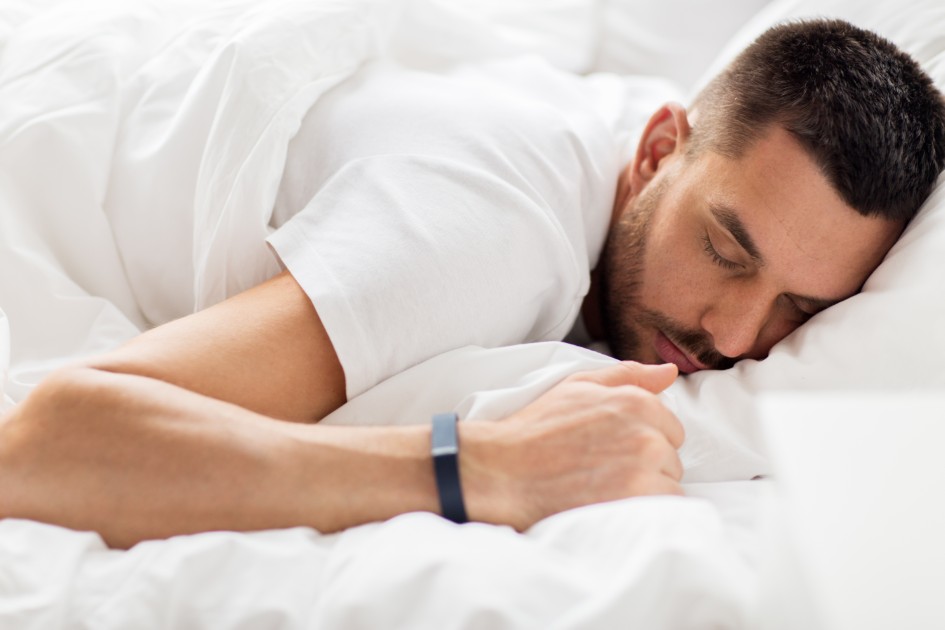
Wearable Sleep Trackers: In the age of smart technology, tracking your sleep has never been easier. Wearable devices like fitness bands, smartwatches, and rings (for example, WHOOP straps or the Oura Ring) can monitor your nightly rest and even give you a “sleep score.” These gadgets use sensors to measure things like your movement, heart rate, heart rate variability, breathing, and even skin temperature while you snooze. Come morning, you get a report on how long you slept, sleep stages (light, deep, REM), and an indicator of sleep quality. Many trackers also provide tips or coaching – if they detect your sleep was restless, they might recommend an earlier bedtime or suggest a relaxing activity before bed. For athletes, sleep data can be a game-changer. By spotting patterns (e.g., consistently low sleep before hard training days), you can adjust your schedule or recovery tactics. One large study of 359 collegiate athletes used wearables to gather over 27,000 nights of sleep data! news-medical.net The findings helped coaches understand that super-early practices were cutting into athletes’ sleep and hurting their quality. Armed with this info, teams can make smarter decisions about scheduling and recovery. For personal use, a tracker can keep you honest – it’s harder to ignore that midnight Netflix binge when your app shows a poor sleep score the next day. While wearable measurements aren’t 100% perfect, they are decent at tracking sleep duration and patterns, sportsmith.co. If you love data and want to optimize your recovery, a sleep tracker might be worth a try. Just don’t get too obsessed with the numbers – use them as gentle guidance. Ultimately, how you feel each day is the best gauge of sleep success.
Making Sleep a Priority – Starting Tonight!
We’ve covered a lot of ground on why sleep matters and how to improve it. The bottom line is that sleep is not a luxury – it’s a necessity for peak performance, robust health, and emotional balance. In a world that often glorifies burning the candle at both ends, choosing to prioritize sleep is a powerful act of self-care and smart recovery. The benefits are too good to pass up: faster muscle repair, a stronger immune system, a sharper mind, a brighter mood, and more energy in workouts and daily life. It’s all waiting for you in dreamland if you commit to making sleep a non-negotiable part of your routine.
So here’s your challenge: make better sleep your goal this week. Start by setting a reasonable bedtime (and sticking to it!), and try one or two tips from this article. Maybe you’ll swap the late-night TV for a relaxing book, or set an earlier cutoff for caffeine. Maybe you’ll finally invest in those blackout curtains or a good sleep mask. Little changes can lead to big improvements. Track how you feel after a few nights of truly restful sleep – chances are, you’ll notice the difference in your energy and mood.
Remember, consistency is key. Just as you train your body through regular exercise, you train your brain for better sleep through regular habits. There will be nights when life gets in the way – an urgent deadline or a crying baby – but if you’ve built a strong foundation, you’ll bounce back quicker. And if you’re an athlete, think of quality sleep as part of your competitive edge. You wouldn’t skip training sessions or proper nutrition; similarly, guarding your sleep is how you unlock those hard-earned gains. As Dr. Walker noted, the best performance enhancer is free and already inside you – just go to bed! triathlontraining-coach.com
In the end, optimizing your sleep is about valuing yourself and your goals. When you give your body and mind the rest they crave, you set the stage to excel – in sports, at work, and in life. Tonight, turn off the lights a bit earlier, take a deep breath, and know that you’re doing something powerful for your recovery, health, and happiness. Sweet dreams – you’ve earned them!