

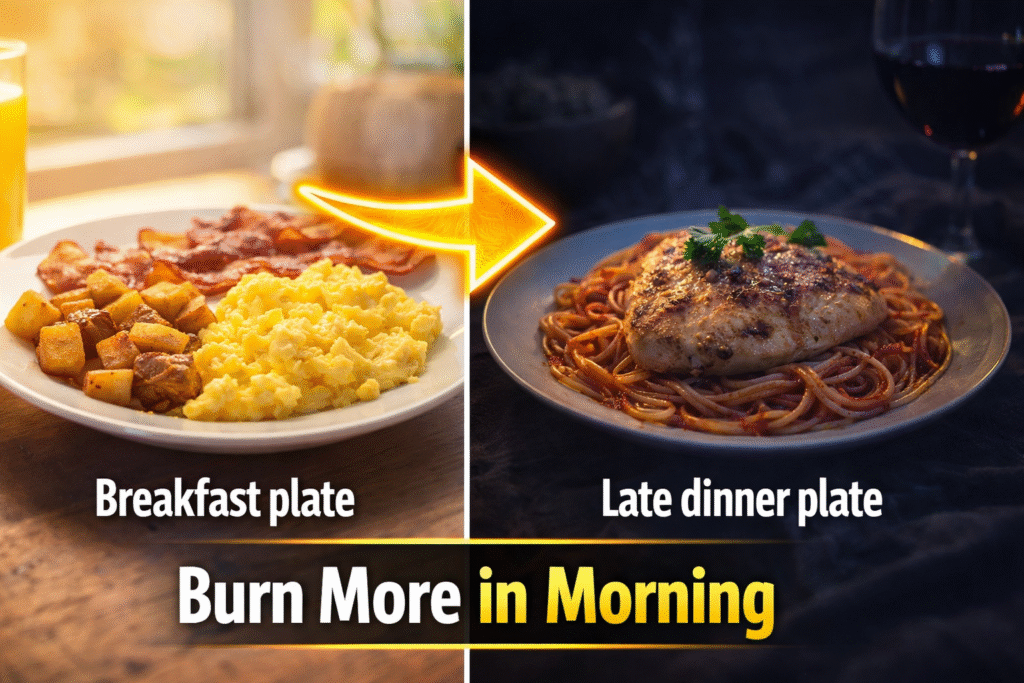
Have you ever wondered if when you eat might be just as important as what you eat? It turns out our bodies run on an internal clock, and timing our meals to sync with that clock could be a game-changer. This concept, known as chrono-nutrition (or eating by the clock), is gaining attention for its potential to enhance fat loss, steady your energy levels, and even improve long-term health. In this article, we’ll explore how meal timing affects your waistline and well-being, backed by science, and give you practical tips to harness your body’s natural rhythm.
What Is Chrono-Nutrition and Why Does Timing Matter?
Chrono-nutrition is the science of aligning your eating patterns with your body’s circadian rhythm – the 24-hour internal clock that governs your sleep-wake cycle, hormones, and metabolism, news-medical.net. Essentially, your body is primed to digest and use nutrients more efficiently during certain times of the day and to rest and repair during others. For example, insulin sensitivity and the ability to handle blood sugar peaks in the morning and decline later in the day, meaning your system processes carbohydrates better at breakfast than at midnight. Likewise, the stress hormone cortisol (which helps mobilize energy) spikes in the early morning, while melatonin (your sleep hormone) rises at night and actually impairs glucose tolerance – so eating a big meal during late-night hours can lead to higher blood sugar levels and more fat storage pmc.ncbi.nlm.nih.gov.
Modern life, unfortunately, doesn’t always respect this natural rhythm. Irregular meal schedules, late-night snacking, long eating windows, and shift work can throw your internal clock out of sync. This circadian disruption – sometimes called “social jet lag” when our meal times clash with our biological clock – is strongly linked to metabolic troubles and weight gain pmc.ncbi.nlm.nih.gov. In short, when we eat at odds with our body’s clock, our metabolism suffers. The good news is that aligning meal timing with your circadian rhythm can restore balance. Emerging research suggests that focusing not just on what or how much you eat but also when you eat is a powerful yet underutilized tool for metabolic health. Let’s look at what that means for fat loss, energy, and long-term health.
Meal Timing and Fat Loss
If you’re striving to lose fat, meal timing could be your secret ally. Aligning your food intake with your body’s active daytime hours helps you burn calories more effectively and store less fat. Studies have found that meal timing exerts significant effects on weight regulation and body fat independent of calorie count. For instance, consuming more of your calories earlier in the day and avoiding late-night eating has been associated with better insulin sensitivity, improved weight management, and healthier metabolism. In fact, a meta-analysis of 30 clinical trials concluded that adopting a time-restricted eating pattern (limiting meals to a consistent 6–10 hour window each day) led to significant reductions in body weight and body fat, even when total daily calories remained the same. This means that when you eat can influence fat loss beyond just cutting calories, likely by optimizing your hormones and metabolic engines.
Why are late dinners or midnight snacks bad news for fat loss? At night, your digestive system and metabolic rate slow down. One laboratory trial showed that eating a late dinner (10 PM vs. 6 PM) resulted in higher blood sugar levels, a sluggish release of fats into the bloodstream, and less fat burned for fuel overnight. Participants even had higher nighttime cortisol (a hormone that, when elevated at the wrong time, can promote fat storage), suggesting that late meals may shift the body into a fat-storing mode if made a habit. Similarly, other studies indicate that identical meals produce a bigger blood sugar spike and more fat storage when eaten in the evening compared to the morning news-medical.net. Eating during the body’s typical “rest phase” (late night) appears to shift metabolism toward increased fat deposition, whereas eating the same food during the active phase (daytime) encourages fat burning, news-medical.net. Over time, those nightly bowls of ice cream or bags of chips can add up on your waistline, not just because of extra calories, but because your body is more likely to store those calories as fat when they’re consumed at the wrong biological time.
On the flip side, front-loading your calories earlier in the day can aid fat loss. “Eat breakfast like a king, lunch like a prince, and dinner like a pauper” might contain truth: a large morning meal gives your body fuel when it’s most ready to use it, and a lighter dinner allows your system to tap into fat stores overnight. Many who have switched to earlier, balanced breakfasts and earlier dinners report feeling fuller during the day and less prone to late-night hunger. The science backs this up: when eating is aligned with daylight hours, people tend to experience reduced late-night cravings and an overall lower daily calorie intake naturally, supporting weight loss.
Meal Timing and Energy Levels
Beyond the scale, meal timing can have a noticeable impact on your day-to-day energy and alertness. If you’ve ever felt the 3 PM slump or the grogginess after a midnight pizza, that’s your circadian rhythm and meal timing at work. Eating in tune with your body clock can help you maintain steadier energy throughout the day. One reason is hormonal: in the morning, cortisol and adrenaline are up, which makes it a prime time to eat and energize your body for the day’s activities. By midday, if you’ve fueled appropriately, you should have stable blood sugar to carry you through. However, eating a heavy, high-carb lunch very late or skipping meals can cause big swings in blood sugar that leave you fatigued. Many people find that a well-timed, balanced lunch (not too late in the afternoon) keeps their energy more stable and avoids that post-lunch crash.
Nighttime eating is a major culprit for disrupted energy. A big meal late at night can interfere with your sleep quality, leading to less restorative sleep and low energy the next day. Research shows that high-calorie, sugary dinners or late-night snacks are associated with poorer sleep and even a higher risk of insomnia, news-medical.net. Poor sleep, in turn, means you wake up tired and often craving quick energy (hello, sugary breakfast pastries), which can become a vicious cycle. By finishing dinner a few hours before bed, you allow digestion to wind down, which can improve your sleep and help you wake up refreshed and energized.
Additionally, aligning meals with your internal clock might even give your metabolism a boost in terms of energy expenditure. Some studies have observed that early time-restricted eating – for example, eating all your meals by mid-afternoon – can increase 24-hour energy expenditure (calories burned) and enhance fat oxidation news-medical.net. In contrast, late meals can reduce your resting energy expenditure, meaning you burn fewer calories while at rest when you eat at the “wrong” circadian time. Think of it like this: your body’s engine runs hotter (more efficiently) during the day and idles down at night. So fueling up when the engine is revved (daytime) keeps you running efficiently, whereas loading up on food when the engine is idling (late night) can flood the system and stall your energy. By eating dinner on the earlier side and not snacking late, you’re more likely to notice improved alertness and even mood stability the next day. Many individuals also report better workout performance when they align meals to their circadian peak energy times (for most, late morning or early evening) rather than exercising on an empty tank at an odd hour.
Long-Term Health Benefits of Aligning Meal Timing
Perhaps the most compelling reason to pay attention to meal timing is its potential impact on your long-term health. Chronically eating at odds with your circadian clock – such as frequently having late-night meals, pulling all-nighters, or constantly changing your eating schedule – can increase your risk of various chronic diseases. Research has linked late eating patterns and circadian misalignment to a higher risk of obesity, type 2 diabetes, heart disease, and metabolic syndrome (a cluster of conditions including high blood sugar and cholesterol) pmc.ncbi.nlm.nih.gov. When your meal schedule is out of sync, it disrupts the finely tuned release of hormones like insulin, leptin (which signals fullness), and ghrelin (which triggers hunger). Over time, this disruption can lead to insulin resistance (a precursor to diabetes), greater inflammation, and poor blood lipid levels news-medical.net.
For example, studies have found that people who routinely eat a large proportion of their calories late in the evening have higher rates of prediabetes and type 2 diabetes compared to those who eat earlier. Even independent of weight, late dinner eaters tend to have higher blood glucose and insulin levels, putting more strain on the pancreas. Large population surveys echo these findings: in a U.S. national study, individuals with longer daily eating windows (more than 12 hours between first and last meal) and those who ate their last meal later at night were more likely to have abdominal obesity and elevated fasting blood sugar. And a French study (NutriNet-Santé) suggested that each 1-hour delay in the timing of your first meal was associated with a higher risk of heart disease over time. While more research is needed for definitive causal guidance, the pattern is clear – regularly mistiming your meals can take a toll on your health over the years.
One group that highlights the stakes of meal timing is shift workers. Those who work night shifts and therefore eat during the biological night show significantly higher rates of metabolic diseases. Their inverted schedules often lead to what scientists call circadian misalignment: the body’s clocks get confused by being awake and fed at the wrong times. As a result, night shift workers have higher incidences of obesity, diabetes, and cardiovascular disease. They also experience chronically lower melatonin and disrupted cortisol patterns, which can impact everything from immune function to blood pressure. While not everyone has such an extreme schedule, even frequent late-night eaters or people with erratic meal patterns can experience a milder form of this metabolic disturbance. The takeaway for long-term health is that consistency and timing of meals matter – your body thrives when there’s a rhythm. By eating in sync with your natural day-night cycle, you’re not only likely to feel better day to day, but you could also be protecting yourself from serious diseases in the long run.
Practical Tips to Harness Your Body Clock (Chrono-Nutrition)
Implementing chrono-nutrition can be simple and rewarding. Here are some practical, pro tips to align your eating habits with your body’s clock and maximize fat loss, energy, and health:
- Front-Load Your Calories: Try to eat more of your calories earlier in the day. Make breakfast and lunch larger, and dinner smaller. Your body is most efficient at processing food in the morning and afternoon. Research suggests that consuming your biggest meal in the evening is less favorable for weight and blood sugar control, whereas eating a hearty breakfast and a modest dinner leads to better metabolic outcomes news-medical.net. (Think of it as fueling up when your engine is hot, and easing off when it’s cooling down.)
- Avoid Late-Night Eating: Finish your last meal at least 2–3 hours before bedtime. Late-night munching can spike your blood sugar and insulin at a time when your body wants to be in rest mode, leading to more fat storage. It can also mess with your sleep. If you’re hungry in the late evening, go for a light, low-sugar snack (like a few nuts or herbal tea) rather than something heavy. Consistently closing the kitchen earlier in the evening will help your body transition into fat-burning mode overnight, and you’ll likely wake up feeling more refreshed.
- Keep a Consistent Eating Schedule: Aim to eat your meals at around the same times each day. Our bodies love routine – a regular meal pattern helps regulate your hunger hormones and trains your metabolism when to expect food. Irregular eating, on the other hand, can confuse your internal clock (leading to that “social jet lag” effect) and is associated with higher metabolic risk. So, if you usually have lunch at 12:30 PM, try to stick close to that daily, and likewise for other meals. Consistency is key for a stable circadian rhythm.
- Try Time-Restricted Eating (TRE): This popular chrono-nutrition strategy means you eat all your meals within a defined window each day – typically 8-10 hours – and fast during the remaining hours (mostly overnight). For example, you might eat between 8 AM and 6 PM, and then fast until the next morning. This aligns with our natural active/feed and rest/fast cycles. Studies on TRE have shown improvements in weight management and metabolic health even without deliberate calorie cutting news-medical.net. The key is to pick an eating window that suits your schedule (and ideally daylight hours) and stick with it. Even a 12-hour eating window (e.g., 7 AM to 7 PM) with a 12-hour fast can be beneficial, but many aim for 10/14 or 8/16 (eat/fast) hours. Start gradually – even closing your window by an hour or two (for instance, not snacking late at night) can make a difference.
- Listen to Your Body (and Be Flexible): Everyone’s circadian rhythm has slight differences. Are you a morning lark or a night owl? Plan your meal timing accordingly. If you’re an early bird, eating earlier will feel natural – you might enjoy a 7 AM breakfast and a 6 PM dinner. If you’re a night owl, you might shift that window slightly later (e.g., 10 AM to 8 PM eating window), but still avoid the trap of midnight meals. Pay attention to how you feel with different meal timings. The right schedule for you should leave you feeling energized during the day and pleasantly tired at night. And remember, life happens – social events, travel, or shift work can throw you off. When you can’t follow your ideal schedule, get back to your rhythm as soon as possible. Your body will thank you for the consistency.
- Shift Work Strategies: If you’re among the many people who work night shifts or rotating schedules, chrono-nutrition can be trickier, but still important. Try to anchor your eating pattern to a set routine within your 24-hour cycle. For example, if you wake up at 3 PM for a night shift, make that your “morning” and have a balanced meal, then have your main “daytime” meal during your shift, and avoid eating heavily towards the end of your shift (which for your body is biologically late night). Stick to lighter, protein-rich snacks during the actual night hours. When you’re off duty, attempt to keep meal times as consistent as possible. While shift workers do face higher risks due to circadian disruption, news-medical.net, maintaining regular meal timing and a healthy diet can mitigate some of the negative effects. It’s wise to consult with a nutritionist or healthcare provider for a personalized plan if you have an unconventional schedule.
By adopting these chrono-nutrition habits, you’re essentially working with your body’s natural design instead of against it. Small changes, like eating dinner an hour earlier or not delaying breakfast too long after waking, can lead to noticeable improvements in how you feel day-to-day.
Remember: It’s not just about what you eat, but also when you eat. By eating in harmony with your internal clock, you can amplify the benefits of a healthy diet – burning more fat, enjoying stable energy, and investing in your long-term wellness. Why not give it a try? Start by picking one strategy (say, no meals after 7 PM for a week) and see how your body responds. You might be pleasantly surprised at how much better you feel when you “eat by the clock.” Here’s to enjoying great meals at the right times – your body will thank you for it!