

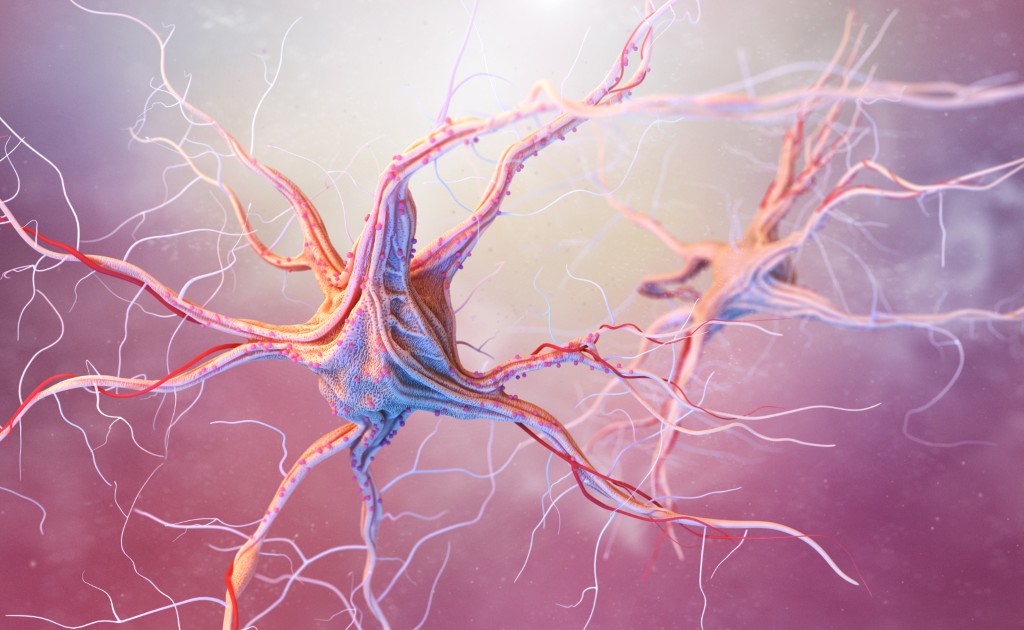
A conceptual illustration of neurons and energy signals in the brain. New research suggests that a hidden “energy leak” in the brain may fuel depression and anxiety.
Have you ever felt completely drained during depression or anxiety? It turns out this might not just be a metaphor. New research reveals a hidden brain energy signal that can drive both depression and anxiety. Scientists found that when the brain’s cells struggle to release a vital energy molecule, mood suffers – a discovery that could revolutionize how we understand and treat these common mental health conditions. In this article, we’ll break down what this “energy leak” means, how it links to depression and anxiety, and what you can do to keep your brain’s energy flow strong.
ATP – The Brain’s Energy Messenger
Adenosine triphosphate (ATP) is often called the energy currency of the cell – it’s the molecule that powers nearly all biological processes. But ATP isn’t just fuel; it also acts as a chemical messenger in the brain. Brain cells, including support cells called astrocytes, release ATP to help neurons communicate and maintain healthy circuits. Think of ATP as both the gas in your car and the traffic signal system on the road. Healthy levels of ATP “signaling” ensure brain cells can talk to each other and regulate mood properly.
Recent studies have hinted that ATP might be involved in mood disorders. In fact, growing evidence links disruptions in ATP signaling and hippocampal function to depression neurosciencenews.com. The hippocampus – a brain region crucial for memory and emotion – is especially sensitive to stress and has been implicated in depression for years, sciencedaily.com. Until now, however, direct proof was lacking. That changed with a new study from the Journal of Neuroscience, which provides the first clear evidence that an ATP energy deficit in the hippocampus can cause depression- and anxiety-like behaviors.
Stress, the Hippocampus, and an “Energy Leak”
Chronic stress is a well-known trigger for depression and anxiety. The research team led by Dr. Tian-Ming Gao investigated how stress affects ATP in the hippocampus. They discovered something striking: male mice exposed to prolonged stress had significantly lower ATP levels in their hippocampus. It was as if the brain’s energy signal had sprung a leak under stress. Along with the ATP drop, these stressed mice had reduced levels of connexin 43, a protein that helps brain cells release ATP. (Connexin 43 essentially forms channels, like tiny pipelines between cells, through which ATP can be released.)
Why is this important? The stressed mice also showed strong depressive- and anxiety-like behaviors – they gave up easily in tests resembling depression and showed heightened fear or avoidance, analogous to anxiety. The correlation was clear: stress ➜ ATP “energy leak” ➜ mood symptoms. But correlation alone isn’t enough to prove causation, so the scientists dug deeper.
Key findings from the study:
- Stress drains ATP: Mice vulnerable to depression/anxiety after chronic stress had lower ATP levels in the hippocampus, along with less connexin 43 (the ATP-release protein) sciencedaily.com. In short, stress had “leaked” the brain’s energy signal.
- Blocking ATP release causes mood symptoms: Even in the absence of stress, when researchers genetically reduced connexin 43 (blocking ATP release) in mice, the animals began to exhibit depression- and anxiety-like behaviors and further drops in ATP. Simply sabotaging the brain’s energy messenger was enough to trigger mood problems.
- Restoring ATP signaling reverses the damage: In stressed mice, boosting connexin 43 in the hippocampus restored ATP levels to normal – and remarkably, the mice’s depressive/anxious behaviors melted away. Fix the leak, and the mood improved.
These results paint a compelling picture. When the brain’s energy messenger (ATP) fails to get out (due to low connexin 43), mood regulation goes awry. It appears to be a shared biological pathway that can lead to both depression and anxiety together. In the words of Dr. Gao, “This is the first direct evidence that deficient ATP release in the hippocampus drives both depressive- and anxiety-like behaviors, revealing a shared molecular pathway [for these conditions]”sciencedaily.com. This finding is groundbreaking because depression and anxiety often overlap – nearly half of people with depression also experience an anxiety disorder daa.org – yet treating both at once is notoriously difficult. Now we see they may spring from the same hidden source: an energy signal deficit in the brain.
A Shared Pathway – New Hope for Treatment
Discovering a common molecular pathway for depression and anxiety is big news. It means scientists can target one underlying issue and potentially hit two birds with one stone. In this case, the target is the ATP-release mechanism in the brain (specifically, connexin 43 in astrocytes). If future therapies can boost ATP signaling in the hippocampus, we might relieve both depression and anxiety symptoms together. Dr. Gao and colleagues suggest that connexin 43 or related proteins could be promising targets for new treatments, sciencedaily.com. For example, a medication that protects or enhances astrocyte ATP channels might recharge the brain’s emotional circuits, lifting mood and calming anxiety in tandem.
It’s important to note this research was done in mice, but it builds on biological principles relevant to humans. The hippocampus is a key player in human depression as well – people with major depression often show reduced hippocampal volume or activity, partly due to chronic stress effects. This study’s insight that astrocytes (not just neurons) are critical in mood regulation is also a paradigm shift. Astrocytes are the star-shaped cells that support neurons, and here they were the ones releasing ATP. In fact, the researchers found that blocking ATP release in astrocytes caused depression/anxiety behaviors, whereas blocking it in neurons did not. That means our brain’s supportive glial cells are actively involved in maintaining our emotional well-being, via energy signaling.
The good news? Science is catching up to what many people with depression or anxiety have felt in their bones – that these conditions have a real, physical basis. Understanding this hidden energy pathway helps validate that “it’s not just in your head” in the dismissive sense; there are concrete brain processes at work. As research progresses (the team plans to study female mice next to ensure the findings apply across sexes, sciencedaily.com), we get closer to new solutions.
Empowering Your Brain’s Energy – What You Can Do
You might be wondering, What does this mean for me right now? While new treatments targeting brain energy signals are still on the horizon, there are steps you can take to support your brain’s energy and overall mental health today. Consider these empowering strategies (and always discuss with a healthcare professional as needed):
- Stay physically active: Exercise is a proven mood-booster, and it literally energizes your brain. Aerobic workouts prompt your body to build new mitochondria (the energy factories in cells) and improve how your brain metabolizes glucose, enhancing energy production and resilience pmc.ncbi.nlm.nih.gov. Even a daily walk or some yoga can help “recharge” your brain and has been shown to reduce depression symptoms.
- Manage chronic stress: Since stress can drain ATP signaling in the hippocampus, stress management is key. Make time for relaxation techniques that work for you – be it meditation, deep breathing, or simply hobbies you enjoy. Reducing stress not only feels good emotionally, but it also protects your brain’s energy systems from burnout.
- Prioritize sleep and nutrition: Quality sleep restores energy at all levels, including in the brain. Aim for a consistent sleep schedule and a calming pre-bed routine. Nutrition matters too – a balanced diet with plenty of omega-3 fatty acids, antioxidants (from fruits and veggies), and B-vitamins supports mitochondrial health and brain function. Staying hydrated and avoiding excess alcohol or caffeine can prevent unnecessary brain energy dips.
- Stay connected and seek support: Positive social interactions and a strong support network can buffer stress and improve mental energy. Don’t hesitate to reach out to friends, family, or mental health professionals if you’re struggling. Remember, depression and anxiety are common and treatable conditions, and you’re not alone in facing them.
Looking Ahead
This discovery of a hidden brain energy signal offers a hopeful light at the end of the tunnel. It’s inspiring to know that researchers are unveiling tangible biological factors behind depression and anxiety – a step that can lead to more effective, targeted treatments. As we await future breakthroughs (perhaps a medication that plugs the ATP leak or a therapy that strengthens brain energy communication), it’s encouraging to realize that mental health conditions are not character flaws or personal failures, but often a matter of biology misfiring.
If you or someone you love is dealing with depression or anxiety, take heart in these advances. Use this information as motivation to continue treatment and self-care, knowing science is working hard to ease the burden of these illnesses. The days of feeling hopeless or stuck are fading; a new understanding is charging up. By caring for your brain’s health and staying informed, you empower yourself on the journey to healing. After all, when you restore the energy within, you set the stage for brighter moods and a healthier mind.