

The Urgent Need for a Metabolic Revolution
The escalating global prevalence of chronic metabolic disorders—namely Type 2 diabetes and obesity—represents a critical public health emergency. Current data indicate that nearly 600 million adults worldwide are living with diabetes, a figure projected to climb steeply to approximately 853 million by 2050.1 This crisis is driven largely by increasing rates of overweight and obesity, factors associated with 3.7 million deaths globally in 2024 and contributing to staggering economic costs, predicted to reach US$3 trillion annually by 2030. World Health Organization
While pharmaceutical innovations, such as GLP-1 receptor agonists, have dramatically reshaped the treatment landscape, existing therapies often face challenges related to long-term efficacy, accessibility, cost, and the need to address the fundamental metabolic dysregulation driving these diseases. Many traditional approaches focus on managing symptoms, such as appetite control or lowering blood sugar, rather than correcting the underlying cellular imbalance.
A paradigm-shifting discovery emanating from Harvard University scientists, including research conducted at the Joslin Diabetes Center, is now directing attention toward a previously underestimated therapeutic target: the chemical messengers produced by our gut microbes. This research suggests that focusing on gut-produced molecules that travel to the liver and bloodstream could lead to novel prevention and treatment strategies for obesity and insulin resistance by directly influencing how the body stores fat and utilizes energy.
Decoding the Gut-Liver Axis: The Metabolic Control Hub
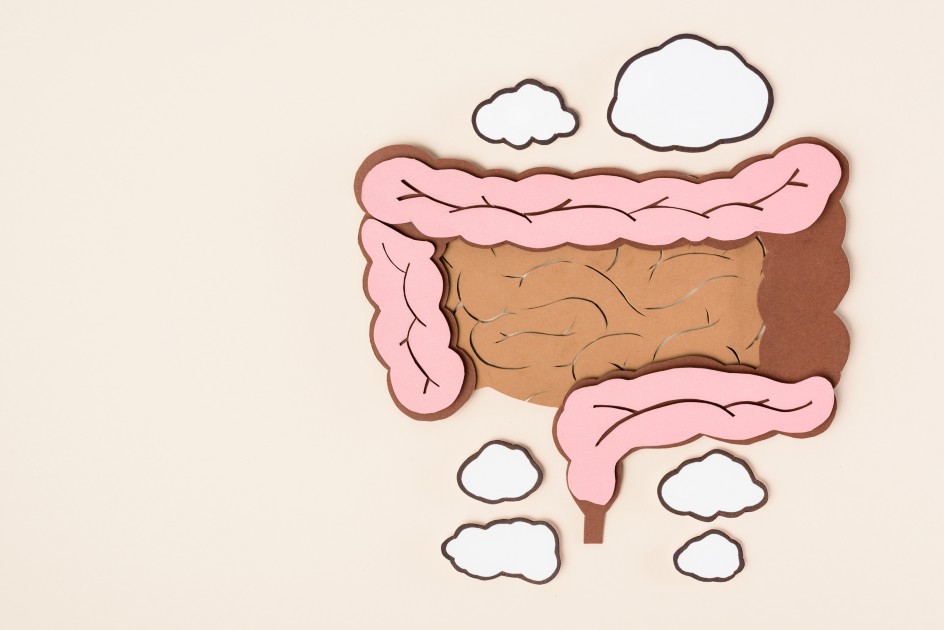
Modern biology increasingly recognizes that the gut is far more than a digestive tract; it acts as an active “endocrine organ”. It harbors trillions of microbes that engage in constant chemical communication with the rest of the body through the production of metabolites. Disruptions in this microbial community—known as dysbiosis—have been strongly linked to metabolic diseases, but the precise causal pathways were often unclear. Harvard.edu
The Harvard research clarified this critical communication network, establishing the central role of the hepatic portal vein. This specialized system carries blood, enriched with nutrients and microbial products, directly from the small and large intestines to the liver. This anatomical arrangement means the liver is the first organ to encounter and process the metabolites generated by the gut microbiome.
The study, published in Cell Metabolism, demonstrated that the liver functions as a vital “hub.” It receives these gut-derived compounds, transforming, conjugating, or eliminating them before they enter the systemic circulation. By comparing metabolite profiles in the blood leaving the intestine versus peripheral blood, researchers observed how gut chemistry directly modifies hepatic metabolism and affects the body’s response to insulin. This mechanism provides a clear biological explanation: changes in the gut microbiome (often driven by a high-fat diet) immediately alter the metabolic signals entering the liver, initiating or accelerating conditions like insulin resistance and non-alcoholic fatty liver disease (now often termed MASLD).
Revolutionary Metabolites: New Keys to Insulin Sensitivity
The study identified specific compounds that, when manipulated, could reset fat and glucose processing in metabolic disease models. Two molecules have emerged as particularly promising therapeutic candidates:
Mesaconate: The Hepatic Fat Regulator
Mesaconate is a key metabolite found to influence critical functions within liver cells (hepatocytes). Chemically linked to the Krebs cycle—the core pathway for energy generation in the cell—mesaconate was tested directly on liver cells. The results showed that mesaconate treatment dramatically improved insulin signaling and regulated key genes associated with both hepatic fat accumulation (lipogenesis) and fatty acid oxidation (the process of breaking down fat for energy).
The significance of this finding is profound. Metabolic disorders are often characterized by pathological fat storage in the liver. Mesaconate suggests a molecular pathway to directly rewire the liver’s energy metabolism, offering a path to reduce the fatty liver pathology that is central to Type 2 diabetes and metabolic dysfunction-associated steatotic liver disease. This moves treatment beyond simple dietary restriction to an intervention that corrects the cellular machinery responsible for fat and sugar processing.
Trimethylamine (TMA): Shutting Down Metabolic Inflammation
A second, related discovery highlighted the role of chronic inflammation, a long-established driver linking obesity to insulin resistance. An international research collaboration, also involving Harvard researchers, identified that the gut metabolite trimethylamine (TMA) acts as a potent anti-inflammatory agent.
TMA, produced by gut microbes from dietary choline, was found to be a natural inhibitor of the immune protein IRAK4. IRAK4 acts as an inflammatory “switch” that is often activated in response to high-fat diets, igniting the immune response tied to insulin resistance. By directly binding and inhibiting IRAK4, TMA dampens inflammation and successfully restores sensitivity to insulin and improves glycemic control in high-fat-diet-fed mice.
This finding is noteworthy as it shifts the perspective on TMA. While its oxidized cousin, TMAO, has been historically linked to cardiovascular risk, this research reveals a direct, protective metabolic role for TMA itself. Furthermore, since IRAK4 is a validated drug target in the pharmaceutical industry, the discovery of a naturally occurring, microbially-derived inhibitor provides a powerful blueprint for developing novel anti-diabetic pharmaceuticals.
The Next Frontier: Precision Medicine and Designer Therapies
This sophisticated understanding of the gut-liver communication pathway promises to fundamentally change how metabolic disease is treated. The findings guide new strategies that move beyond merely lowering blood glucose or curbing appetite, aiming instead to address the specific chemical imbalances at the root of the problem.
The next generation of interventions will focus on precision medicine, where treatments are tailored to an individual’s unique microbial profile. This includes two promising avenues:
- Metabolite-Based Drugs: The development of novel pharmaceuticals that are analogues of beneficial compounds like mesaconate or TMA. These “metabolite pills” would deliver predictable, stable doses of these chemical messengers to the liver, bypassing the variability inherent in relying solely on the natural gut microbiome.
- Designer Probiotics: Engineering highly targeted, strain-specific probiotics to act as micro-factories within the gut. These designer microbes could be programmed to specifically produce and enrich the necessary beneficial metabolites, such as mesaconate, thereby restoring equilibrium and mitigating metabolic dysfunction. This low-cost, non-pharmacologic strategy shows promise for conditions like metabolic syndrome and MASLD.
While the preclinical evidence, primarily from mouse models, is robust, rigorous long-term clinical trials are essential to translate these complex gut-liver findings to the diverse human population. Given the inherent variability in human host genetics, diet, and microbial signatures, the future of metabolic care lies in these personalized, precision-based approaches.
Conclusion: An Inspiring Look Ahead
The Harvard discovery confirms a revolutionary biological truth: the trillions of microbes residing in our gut are active participants in controlling our systemic health, particularly metabolism and immunity. By meticulously mapping the communication highway of the gut-liver axis and identifying key chemical messengers like mesaconate and TMA, researchers have unlocked novel therapeutic targets that influence the body’s foundational processes of energy use and inflammation.
This work paves the way for a new era of metabolic therapeutics—one that focuses on fixing the system, rather than just masking the symptoms. For millions suffering from the global epidemic of obesity and Type 2 diabetes, the ability to chemically fine-tune the body’s central metabolic hub offers an increasingly hopeful prognosis.
Tip for Metabolic Health: While we await the clinical development of metabolite-based pharmaceuticals, individuals can proactively support their metabolic health today. Research consistently underscores the profound power of diet in modulating the gut-liver axis. Adopting healthy dietary patterns rich in fiber and incorporating lifestyle changes, such as regular physical activity or intermittent fasting, can restructure the gut microbiome and naturally enhance the production of beneficial metabolites that protect against metabolic dysfunction.