

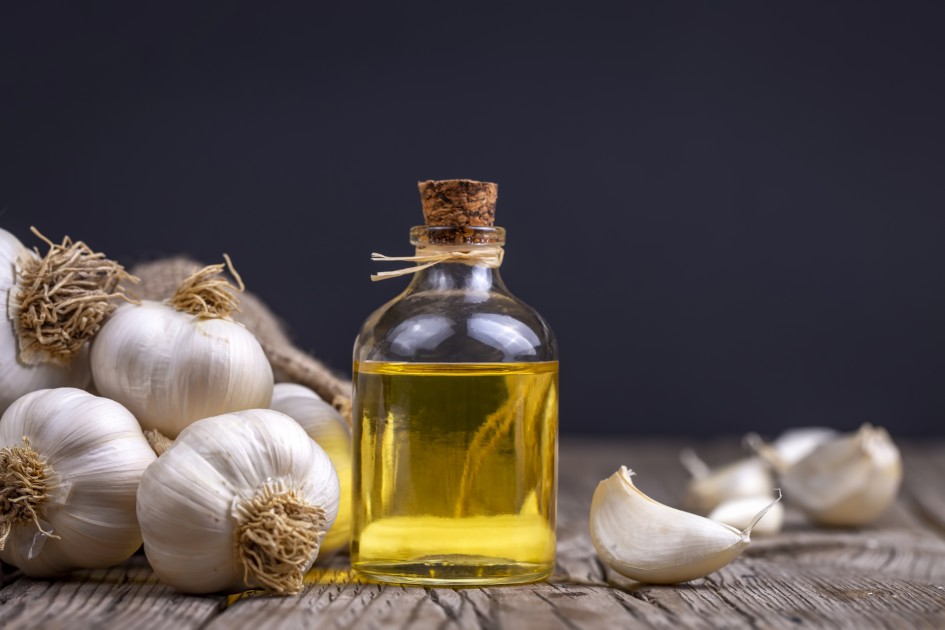
Imagine swishing your mouth with garlic instead of minty mouthwash – it sounds unusual, but science is backing up this bold idea. Recent research reveals that a garlic-based mouthwash can kill oral germs almost as effectively as chlorhexidine, the gold-standard ingredient in prescription mouth rinses. In fact, at high concentrations, garlic’s germ-fighting punch can rival – and even occasionally outperform – chlorhexidine in knocking out oral bacteria. This surprising finding has health enthusiasts and dentists alike taking note, because it suggests a natural kitchen staple might hold its own against dentistry’s top antimicrobial rinse. In this article, we’ll explore how garlic works as a mouthwash, how it compares to conventional rinses, and what it could mean for your daily oral hygiene routine.
Why Turn to Garlic for Oral Health?
So, why garlic in the first place? The interest in a garlic mouthwash stems from a growing desire for natural alternatives to chemical oral care products. Chlorhexidine has long been the go-to antiseptic rinse dentists prescribe for gum disease, plaque control, and post-surgery care – it’s effective, no doubt, but it has some well-known downsides. Users often report teeth staining, altered taste, and mouth irritation from regular chlorhexidine use timesofindia.indiatimes.com. There are also concerns that prolonged use of chlorhexidine could contribute to microbial resistance over time sciencedaily.com. Because of these issues, many health-conscious people are looking for gentler solutions that don’t sacrifice germ-fighting power.
This is where garlic (Allium sativum) comes in. Garlic has been treasured for centuries as a natural antimicrobial remedy. Unlike chlorhexidine, which is a synthetic chemical requiring a prescription, garlic extracts are available over the counter in health store s. People intrigued by herbal or holistic health approaches have long used garlic for its medicinal properties. The idea of a garlic mouthwash taps into this tradition, offering a plant-based oral rinse that could sidestep some of the chemical mouthwash side effects. But can a kitchen spice really match up to a medicated rinse? According to emerging research, it just might.
Clinical Proof: Garlic vs. Conventional Mouthwash
To find out how garlic stacks up against mainstream rinses, scientists at the University of Sharjah conducted a systematic review of clinical studies, pitting garlic extract mouthwash against chlorhexidine mouthwash sciencedaily.com. They combed through hundreds of papers and ultimately analyzed five robust studies involving real patients. The verdict: garlic held its own. Overall, higher-strength garlic mouthwashes demonstrated antimicrobial effects very similar to chlorhexidine. In some trials, a properly prepared garlic rinse achieved virtually the same reduction in oral bacteria as the standard chlorhexidine rinse. These results are remarkable, considering chlorhexidine has been the benchmark for decades.
Researchers did note a few nuances. The garlic mouthwash’s effectiveness depended on its concentration and how long patients used it. Weaker garlic solutions weren’t consistently effective, whereas stronger garlic preparations produced clear germ-killing result s. For example, one review found that only at sufficiently high garlic concentrations do the bacterial counts drop on par with chlorhexidine’s performance timesofindia.indiatimes.com. In practical terms, this means that if garlic is to work as a mouthwash, you can’t just dilute a tiny bit of garlic in water and expect miracles – the formulation has to be potent enough and used regularly to make a difference.
Another observation was about what each mouthwash did best. Chlorhexidine had a slight edge in some areas like keeping the oral environment less acidic (maintaining a higher plaque/saliva pH, which helps prevent cavities) sciencedaily.com. On the other hand, garlic extract sometimes outshone chlorhexidine at specific strengths for reducing certain bacteria. In all cases, both rinses significantly knocked down bacterial counts, which is great news for oral health. These findings suggest that garlic isn’t just folk medicine – it has real clinical antimicrobial action strong enough to merit attention as a legitimate alternative in some situations.
How Garlic Fights Germs: The Power of Allicin
What gives garlic this shockingly strong germ-fighting power? Meet allicin – garlic’s superstar compound. When you crush or chop fresh garlic, allicin is produced, and it’s responsible for both garlic’s pungent smell and its antimicrobial punch. Scientists have studied allicin for decades because it’s incredibly good at attacking bacteria and fungi on multiple fronts newsweek.com. Unlike a typical antibiotic that might target one specific pathway, allicin is a multi-tasker:
- Enzyme disruption: Allicin reacts with enzymes that bacteria need to survive, essentially crippling the microbes’ vital processes.
- Cell wall damage: This compound can weaken or break down bacterial cell membranes, making it easier to kill the bacteria timesofindia.indiatimes.com.
- Oxidative attack: Allicin can spark oxidative stress inside microbial cells, further halting their metabolism and ability to multiply.
- Broad-spectrum action: Impressively, allicin is effective against a wide range of germs – it doesn’t matter if they’re Gram-positive or Gram-negative bacteria; garlic can hit them both. It’s even been noted to inhibit certain fungal infections and viruses in some studies.
- Anti-plaque potential: Some research suggests garlic might reduce bacterial proteases (enzymes) linked to gum inflammation. By interfering with these irritants, garlic could help curb gingivitis and periodontal problems before they start.
All these mechanisms make garlic a formidable opponent for oral pathogens. Essentially, it attacks microbes from multiple angles, which is one reason it’s hard for bacteria to develop resistance to garlic as easily as they might to a single-target drug. For health-conscious individuals, this broad-spectrum, natural mode of action is a big part of garlic’s appeal.
Benefits and Drawbacks: Garlic vs. Chlorhexidine
Every solution comes with pros and cons, and it’s important to weigh them, especially if you’re thinking of swapping your regular rinse for a garlic-based one. Let’s break down the benefits and drawbacks of a garlic mouthwash compared to conventional chlorhexidine:
- Natural & Accessible: Garlic is a natural product with a long history of safe use in cooking and herbal medicine. Garlic extract mouthwashes can be obtained without a prescription, making them more accessible for everyday use sciencedaily.com. If you prefer botanical ingredients and worry about chemical exposure, garlic checks that box.
- Potent Antimicrobial Action: As highlighted above, garlic extract at the right strength provides real germ-killing power on par with chlorhexidine. It can significantly reduce oral bacteria, helping combat plaque, bad breath, and gum infections in a way that’s scientifically validated. Plus, it may offer a longer-lasting residual effect in the mouth – some evidence hints that garlic’s effects persist even after you’re done rinsing sciencedaily.com. This could mean prolonged protection against microbes throughout the day.
- Fewer Harsh Chemical Side Effects: One big advantage is what a garlic rinse doesn’t do. It won’t cause the yellow-brown teeth stains that chlorhexidine often does, and it doesn’t contain alcohol or artificial additives common in many commercial mouthwashes. There’s also no known risk of fostering antibiotic-resistant bacteria with garlic, whereas experts worry that overuse of chlorhexidine might contribute to resistance over time.
- Strong Taste & Odor: Here’s the obvious drawback – it’s garlic! A garlic mouthwash will leave a strong garlic odor on your breath (ironic for something meant to freshen your mouth). Many people find the taste and smell unpleasant, and that “burning” sensation can be intense for some users sciencedaily.com. While chlorhexidine isn’t exactly tasty, a garlic rinse is a whole new level of pungency. This might limit how many people are willing to use it daily.
- Mild Irritation: Garlic’s natural compounds can cause a bit of mouth and throat irritation. Users in studies reported a burning sensation in the mouth from high-strength garlic rinses. The good news is these effects tend to be milder than chlorhexidine’s side effects (which can include mouth sores, dry mouth, and altered taste) indianexpress.com. Garlic’s irritation is generally temporary, but it’s something to be aware of – especially if you have a sensitive mouth.
- Not Yet Clinically Standardized: Unlike a commercial mouthwash that comes at a precise concentration, there’s variability in how a garlic rinse might be prepared. The optimal recipe (concentration, frequency) for garlic mouthwash isn’t fully agreed upon in the dental community yet. This means results can vary – one garlic product or homemade concoction might work better than another. More research is needed to establish standard guidelines, so for now you might be experimenting a bit if you try this at home.
In short, garlic mouthwash offers an exciting blend of potency and naturalness, but you have to be willing to tolerate its distinctive flavor profile. It’s also wise to use it with some caution and knowledge, which brings us to the next point.
Tips for Using Garlic Mouthwash Safely
If you’re intrigued and considering adding garlic mouthwash to your oral care routine, keep these tips in mind to use it effectively (and safely):
- Use the Right Concentration: More is not always better, but in garlic’s case you do need a sufficiently strong extract for it to work. Studies emphasize that a diluted, weak garlic solution may not deliver consistent results, whereas a well-prepared, potent garlic extract can yield obvious antimicrobial effects. If you’re buying a commercial garlic rinse, follow the instructions on concentration. If you’re DIY-ing it, research a reliable recipe – for instance, some use a garlic-infused water or alcohol base at specific ratios.
- Rinse Thoroughly (30–60 Seconds): Just like with regular mouthwash, swish the garlic rinse for about half a minute to a minute per use timesofindia.indiatimes.com. This ensures that the solution coats your teeth, gums, tongue, and all oral surfaces. The studies that showed garlic working had participants rinse long enough to let the allicin really contact the microbes. So grit your teeth (so to speak) and give it a good thorough swish.
- Be Consistent, But Listen to Your Mouth: Don’t expect overnight miracles. The antimicrobial effects of garlic build up with consistent use over days or weeks timesofindia.indiatimes.com. Try using it daily (for example, once in the morning and once at night) for a set period and see how you feel. However, if you experience significant burning, pain, or any allergic reaction, stop use and rinse your mouth out. Mild tingling or warmth is normal, but it should not be truly painful.
- Freshen Up Afterward: Let’s be honest – garlic breath is real. To keep your social life intact, consider rinsing with plain water or a mild herbal rinse after the garlic has done its job, or use a tongue scraper and brush your teeth to help remove the residual odor. Chewing on fresh parsley or mint can also help neutralize the smell (a little pro tip from traditional remedies). You might also reserve your garlic rinses for nighttime use, so the smell dissipates by morning.
- Consult Your Dentist: If you have existing dental issues (like active gum disease or recent oral surgery), always check with your dentist before switching to or adding a garlic mouthwash. They can give you guidance based on your specific health needs. Garlic can be a great adjunct to standard care, but it shouldn’t replace professional dental treatments or prescriptions without a professional’s okay.
By following these practices, you can experiment with garlic mouthwash while minimizing any drawbacks. Many users find ways to make the experience more pleasant, such as mixing in a bit of peppermint oil or using a formulated product that adds breath-freshening ingredients – just be sure those additions don’t dilute the garlic’s potency too much.
The Future of Natural Oral Care
The emergence of garlic mouthwash in scientific studies is part of a larger movement towards natural health solutions. It reflects an increased reluctance to rely solely on synthetic chemicals for everyday care. Garlic’s success so far – showing comparable germ-killing power to a trusted medical rinse, sciencedaily.com – is a proof of concept that nature-based alternatives can hold their own. It’s encouraging to imagine a future where your bathroom shelf might have a garlic rinse next to the fluoride toothpaste, especially for those who prefer botanical remedies.
However, it’s important to keep expectations grounded. Traditional chlorhexidine isn’t going away just yet. Dentists will be the first to point out that while garlic’s results are promising, we need more large-scale clinical trials to be sure it works for everyone and to figure out optimal usage. Most of the evidence so far, while positive, comes from small studies or short-term usage. For garlic mouthwash to become a mainstream recommendation, researchers will need to confirm its benefits in broader populations and ensure there aren’t any long-term issues with its use.
That said, if you’re excited about the possibility of a gentler, natural rinse, garlic has definitely earned a spot on the “ones to watch” list. It’s inspiring to see modern science validate an age-old remedy. At the very least, garlic mouthwash could serve as a complement to conventional oral care – for instance, someone might use chlorhexidine for a serious gum infection but swish with garlic on day-to-day basis for maintenance. If you’re considering trying it, talk to your dental care provider about it. They might have suggestions on safe products or homemade mixtures and how to fit it into your brushing and flossing routine.
Bottom line: Garlic mouthwash is no longer just an internet folk tip; it’s backed by evidence as a potent germ fighter in the mouth. While more research will clarify its role, this simple natural remedy is stepping up as a credible contender in oral hygiene. Don’t be surprised if in the near future you see garlic-based rinses on store shelves or hear your dentist mention them as an option. The next time you smell that familiar garlicky aroma, you can smile (with healthy teeth and gums) knowing that garlic isn’t just for dinner – it might also be for a truly fresh and clean mouth!