

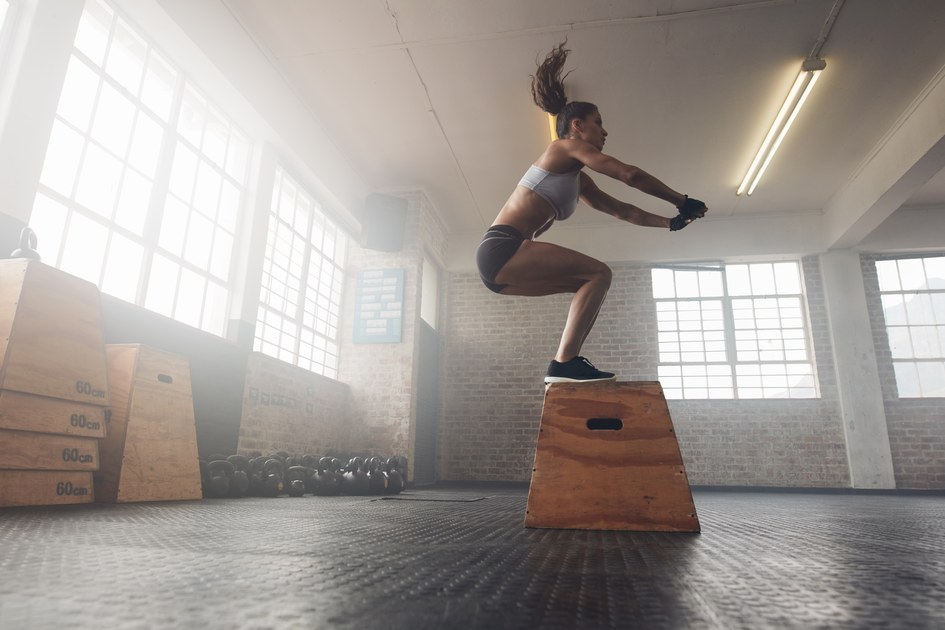
Your daily step count may be doing less for your skeleton than you think. A 2026 meta-analysis from Semmelweis University, published in Sports Medicine – Open, pooled 24 clinical studies of 1,238 healthy adults. Fast, multidirectional sports like recreational football and handball were linked to increases of up to 45–46 percent in blood markers of new bone formation. Low- and moderate-intensity walking and jogging showed no meaningful long-term effect on those markers.
That matters because bone is living tissue that responds to the loads you give it. The National Institute of Arthritis and Musculoskeletal and Skin Diseases says exercise offers benefits for bone at any age and helps prevent bone loss in adults. The real question is which exercise sends the strongest signal.
Here’s what the research says about the best exercise for bone density, why impact and intensity matter more than easy volume, and how to add bone-loading work to the week you already have, without giving up your lifts.
Get more like this — weekly.
One email a week. Research-backed wellness, translated into things you can actually do. No spam.
What Is the Best Exercise for Bone Density?
The best exercise for bone density combines impact and intensity: jumps, sprints, quick changes of direction and heavy, progressive strength training. Weight-bearing work beats non-weight-bearing work, and higher intensity beats easy volume. Walking still supports your overall health, but on its own it is a weak signal for building new bone.
The broader evidence backs the weight-bearing part. Mayo Clinic notes that people who aren’t physically active have a higher risk of osteoporosis than people who exercise regularly, and that weight-bearing exercises can help you build strong bones and slow bone loss.
The impact part shows up when athletes are compared. Harvard Health Publishing reports that athletes in high-impact sports such as triple jumping and high jumping had greater bone density than long-distance runners. Miles alone did not deliver the strongest skeleton. Load type mattered more than load volume.
What the 2026 Meta-Analysis Measured, and What It Didn’t
The Semmelweis team tracked blood markers of bone remodeling, not bone mineral density scans. Those markers can shift within weeks, which makes them a fast early read on whether a training style is stimulating bone. A density scan measures something different, so the two kinds of evidence answer different questions.
That distinction explains the headline that surprised many lifters.
Does walking build bone density?
Walking keeps you moving, and it can count toward the 150 weekly minutes of moderate-intensity activity that the CDC’s adult activity guidelines recommend. But in the 2026 analysis, low- or moderate-intensity endurance exercise showed no meaningful long-term effect on bone-formation markers.
The researchers were clear that this is not a reason to stop walking. It means a steady walking pace is a light load for bone. If walking is your only training, your bones are probably asking for more.
Is strength training still worth it for your bones?
Yes, with one important qualifier: intensity. In the 2026 analysis, resistance training did not produce a significant effect on markers of bone metabolism. Density studies tell a more encouraging story when the load is genuinely heavy.
A 2022 systematic review and meta-analysis in Bone Reports pooled six randomized trials with 391 postmenopausal women with osteoporosis. High-intensity resistance training improved lumbar spine bone mineral density more than moderate-intensity training. The authors rated the certainty of evidence as extremely low, so treat it as a promising signal rather than a final verdict.
The CDC also still calls for muscle-strengthening activity on at least two days a week. The practical takeaway: keep lifting, lift with real intent, and add impact on top.
Why Impact and Speed Send a Stronger Signal
Recreational football is a well-studied model of bone-friendly training. A systematic review and meta-analysis in Sports Medicine of 17 papers found a moderate to large increase in the bone turnover markers osteocalcin, P1NP and CTX with football training compared with no-exercise controls. Lower-limb bone mineral density also rose by a small but significant 0.02 g/cm².
The common thread across football, handball and jumping sports is the kind of load. Landing, cutting, accelerating and stopping create short, sharp and varied forces. A steady walking pace repeats one gentle force thousands of times. Your skeleton appears to respond more to the first pattern than the second.
Bone-loading options that fit a busy week:
- Small-sided games: pickup soccer, futsal, handball or basketball, where you sprint, stop and change direction.
- Jump work: low pogo hops, skipping and step-downs, progressing to box jumps once your landings are quiet and controlled.
- Heavy compound lifts: squats, deadlifts, lunges and presses with progressive load, rather than endless light reps.
- Hill or stair sprints: short, hard efforts with full recovery between them.
How to Add Bone-Loading Work to Your Week
You don’t need a new program. You need a different kind of stimulus layered onto the one you have. Keep your two strength days, keep your walks for heart health and recovery, and swap one easy session a week for something with impact.
How do you start impact exercise safely?
Start low and build slowly. Begin with small, quiet hops and simple skipping before you add height or speed. The 2026 researchers stress that people should not suddenly begin strenuous exercise without preparing for it. Anyone with osteoporosis, or a cardiovascular, musculoskeletal or metabolic condition, should talk with a physician before adding high-impact work.
If a joint gives you sharp or persistent pain, stop that movement and see a clinician or physical therapist rather than pushing through it.
Does bone-loading exercise matter after 40?
It matters more. Keeping bone is a long game, and the habits you build in your 30s and 40s are the ones you carry forward. Harvard Health Publishing also reports that regular physical activity can reduce falls by nearly a third in older adults at high risk of falling. Strong legs, good balance and confident landings protect you twice: they load bone now and lower fall risk later.
Training is only half the job. Mayo Clinic cites a Recommended Dietary Allowance of 1,000 mg of calcium a day and 600 IU of vitamin D a day for adults ages 19 to 70. Your bones need the raw materials as well as the signal.
Put impact at the start of your strength days, not the end. After your warm-up, do 2 to 3 sets of 10 low, quiet pogo hops or skips before your first heavy lift. Your legs are fresh, your landings stay crisp, and you add a bone-loading stimulus in under five minutes without adding a single extra session to your week.
Load the Frame. Then Keep Loading It.
Walking is good for your heart, your mood and your recovery. It just isn’t enough for your bones on its own. The best exercise for bone density is the kind your skeleton isn’t used to: impact, speed, changes of direction and heavy, progressive strength work.
You don’t have to choose between lifting and jumping, or between steps and sprints. Stack them. Keep the walks, keep the barbell, and give your bones the sharper signal they respond to. If you enjoy short, efficient sessions, pair this with our guide to strength training for longevity.
This week, swap one easy walk for a 20-minute pickup game or a jump-and-lift session, and keep your two strength days. Your bones respond to what you ask of them, so ask for more. This article is educational, not medical advice, so check with your clinician before adding high-impact training if you have a bone, joint or heart condition.



No one seems to have shared their thoughts on this topic yet
Leave a comment so your voice will be heard first.