

AG Magazine • Health & Nutrition
In a nationally representative study of more than 17,000 U.S. men, researchers just connected two things you don’t expect to see in the same sentence: your afternoon snack drawer and your prostate. Men who ate the most ultra-processed food showed 24% to 31% higher rates of prostate cancer than men who ate the least — even after accounting for age, smoking, race and ethnicity, and poverty status.
Ultra-processed foods and prostate cancer risk aren’t a pairing most men have ever considered. You’ve heard about sugar and diabetes, sodium and blood pressure. Prostate health has mostly stayed out of the nutrition conversation — until now. Ultra-processed foods already supply close to 60% of the calories in the average American diet, which means this isn’t a niche concern. It’s a Tuesday.
You don’t need to swear off every packaged food to protect yourself. What you need is a clear picture of what the research actually shows, why scientists suspect ultra-processed foods might affect the prostate specifically, and — most importantly — where to start making changes that stick. That’s what this piece delivers: the data, the mechanism, and your next move.
Ultra-Processed Foods and Prostate Cancer Risk: What the Study Found
Researchers analyzed dietary data from 17,024 U.S. men in the National Health and Nutrition Examination Survey, sorting them into groups by how many daily calories came from ultra-processed foods. Men in the highest-intake groups had a 24% to 31% higher risk of prostate cancer than men in the lowest-intake group, even after adjusting for major known risk factors.
The study, published in The American Journal of Medicine, is observational — it shows an association, not proof that ultra-processed food directly causes prostate cancer. Diet was captured with two 24-hour recalls, a narrow window that can’t reflect a lifetime of eating habits, and prostate cancer status relied on self-report rather than biopsy records. Those limitations are real. They don’t erase the finding — they tell you how much weight to put on it.
Does Eating More Processed Food Really Raise Prostate Cancer Risk?
The honest answer: probably some, but the exact size of the effect isn’t settled. The study’s senior researcher described the results as consistent with, rather than proof of, a causal link, and called for large randomized trials to test the hypothesis properly.
What is settled is the broader pattern. A 2024 umbrella review in The BMJ pooled dozens of studies covering nearly 10 million people and found ultra-processed food exposure directly associated with higher risk across 32 of 45 health outcomes examined, from cardiovascular disease to depression. Prostate cancer risk fits a pattern researchers have been documenting for years — this study just gives it a name.
Why Ultra-Processed Foods Might Affect the Prostate
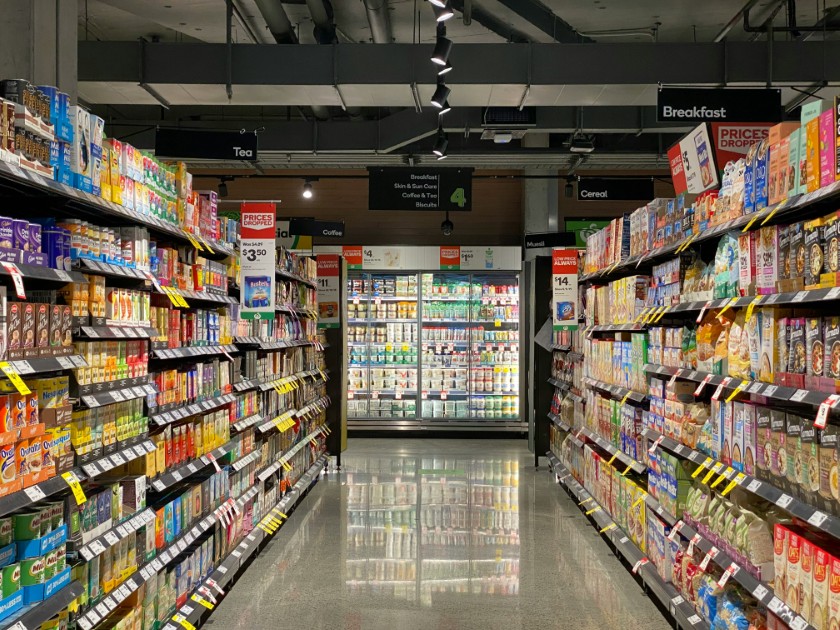
Ultra-processed foods are defined by the NOVA food classification system as industrial formulations built from refined ingredients, additives, and preservatives designed to be shelf-stable, hyper-palatable, and easy to overeat. Think sodas, packaged snacks, sweetened cereals, and most processed meats. These products now make up close to 60% of daily calories in the U.S. diet.
Researchers point to chronic, low-grade inflammation as one of the most plausible mechanisms linking ultra-processed foods to prostate cancer. Inflammation is already implicated in how prostate tumors develop, and diets heavy in refined carbohydrates, industrial oils, and additives are known to push inflammatory markers upward over time. Add in the excess weight and metabolic strain that often come with a high-UPF diet, and you have several overlapping pathways instead of one single culprit — which is exactly what you’d expect from a diet-disease relationship this broad.
None of this means any single soda or frozen dinner is doing damage on its own. What seems to matter is the overall share of your calories that comes from this category, sustained over years. That’s a slower, less dramatic story than a single “bad food” headline — and it’s also a more useful one, because it points straight at a pattern you can actually shift instead of one product you have to fear.
The Global Scale of Prostate Cancer — Why This Matters
Prostate cancer isn’t a rare disease you can file away as someone else’s problem. Worldwide, 2022 global cancer data puts it as the second most common cancer among men, with an estimated 1.47 million new cases and roughly 397,000 deaths in that year alone.
Age, family history, and genetics remain the strongest known prostate cancer risk factors, and none of those are things you can change. Diet is different — it’s one of the few levers you actually control, which is exactly why this new research matters even with its limitations:
- Age and family history. Risk climbs sharply after age 50, and having a father or brother with prostate cancer roughly doubles it.
- Race. Black men face a higher incidence and mortality rate than other groups, for reasons researchers are still working to fully explain.
- Diet and body weight. The one category on this list you can actually act on starting with your next meal.
How to Start Reducing Ultra-Processed Food Intake
You don’t have to overhaul your kitchen overnight — and trying to is exactly why most attempts fail. Small, specific swaps beat dramatic short-lived ones almost every time.
How Do You Reduce Ultra-Processed Food Intake Without a Total Diet Overhaul?
Start small and specific. Registered dietitians at Mayo Clinic consistently point to the same starting moves: swap sugary drinks for water, choose whole fruit over packaged snacks, and cook more meals at home using methods like grilling or steaming instead of frying. The health effects of a high-UPF diet are also described as reversible — which means the timeline for improvement starts the day you change your plate, not years down the road.
- Swap the drink first. Replace one soda or sweetened beverage a day with water, sparkling water, or plain coffee.
- Read the ingredient list, not just the label. A long list of unfamiliar names is a faster tell than any front-of-package claim.
- Cook one more meal at home each week. You don’t need a new routine — you need one additional home-cooked dinner.
- Keep whole-food snacks visible. Fruit on the counter and nuts in the pantry beat willpower every time convenience wins.
None of this requires you to become someone who doesn’t enjoy food. The goal isn’t restriction — it’s addition. Every whole-food meal you add crowds out an ultra-processed one by default, without you ever having to white-knuckle your way past a craving.
⚡ PRO TIP
Don’t try to eliminate ultra-processed foods completely in week one. Pick the single category you eat most often — sodas, packaged snacks, or processed meat — and replace it first. Hold that one swap for two full weeks before adding a second. Reducing ultra-processed food intake sticks when it’s sequential, not when it’s total.
Change What You Reach For, Not Who You Are
This research adds one more data point to a growing case against a diet built on ultra-processed foods — and it’s a case that now reaches further than waistlines and blood sugar, all the way to prostate health. You don’t need to panic. You need information, and you now have it.
You also don’t need a perfect diet to lower your risk profile. You need a direction. Every man who has ever changed how he eats started with one decision that looked small in the moment — the first swapped drink, the first home-cooked dinner in a while. This is that decision, and it’s in front of you right now.
Talk to your doctor about your personal risk factors, especially if prostate cancer runs in your family, and treat ultra-processed foods and prostate cancer risk as one more reason — not the only reason — to build meals around real food. Start today: replace one ultra-processed item in your daily routine with a whole-food swap, and build from there.