

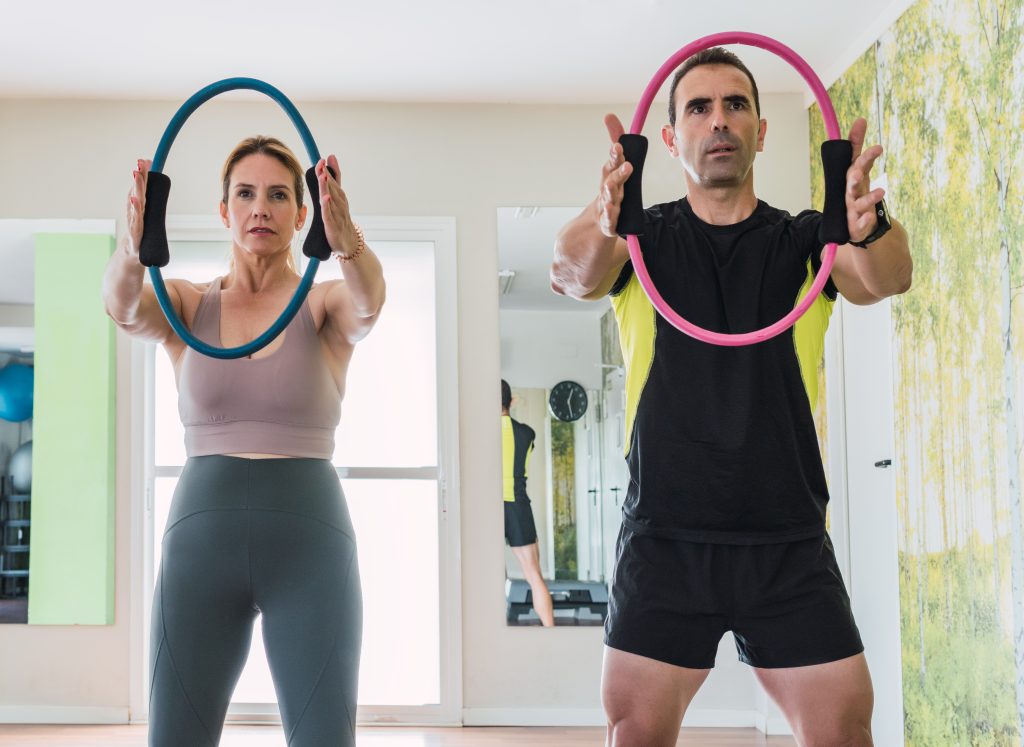
Imagine if just 10 minutes of exercise a day could help protect you from cancer. It may sound unbelievable, but exciting new research suggests exactly that. A brief burst of high-intensity activity can trigger powerful anti-cancer effects in your body sciencedaily.com. At the same time, incorporating moderate-intensity lifting and regular exercise into your routine builds strength and supports long-term health. The bottom line? Mixing intense workouts with moderate strength training can give you the best of both worlds – immediate cancer-fighting benefits and lasting health improvements. Let’s break down the science and see how you can put it into action.
Short, intense workouts like a quick run or cycle sprint can flip “genetic switches” in the body, releasing molecules that help suppress cancer cell growth and repair DNA.
A 10-Minute Workout That Fights Cancer
New findings from researchers at Newcastle University show that even a single 10-minute high-intensity workout can spark remarkable changes in your bloodstream sciencedaily.com. In the study, volunteers cycled as hard as they could for about 10 minutes. The result was a surge of molecules into their blood that “switch on” DNA repair and shut down signals that help cancer grow. When scientists applied these exercise-released molecules to bowel cancer cells in the lab, they saw hundreds of cancer-related genes change activity – including genes that control DNA damage repair and tumor growth. In other words, a short bout of intense exercise flipped genetic switches in cancer cells, making them less able to grow and spread.
Why does this happen? Intense exercise triggers your muscles and organs to release a cocktail of beneficial chemicals into the blood. For example, the study noted a spike in interleukin-6 (IL-6) – an immune signaling protein that helps repair damaged DNA. Past research has shown that exercise-induced IL-6 and adrenaline work together to rally natural killer immune cells to attack tumors. The recent Newcastle study also found elevated activity of a key DNA-repair gene (known as PNKP) after exercise. This suggests that exercise not only helps prevent DNA damage that can lead to cancer, but even helps fix damage that’s already there sciencedaily.com. It’s like your body’s internal repair crews get supercharged during a workout.
Perhaps most encouraging: these anti-cancer signals turn on fast. The molecular changes were detected immediately after that single 10-minute exercise session. Even a short, hard workout appears to create a bloodstream environment that’s hostile to cancer cells. As Dr. Sam Orange, the lead researcher, put it: “Even a single workout can make a difference… One bout of exercise, lasting just 10 minutes, sends powerful signals to the body… every step, every session, counts when it comes to doing your best to protect your health.” In other words, every little bit of movement matters, and it’s never too late (or too little) to start making a positive impact on your health.
Why Every Minute (and Every Intensity) Counts
You might be wondering: Do I need to exercise intensely all the time to get anti-cancer benefits? The good news is any physical activity is better than none, and both high-intensity and moderate-intensity exercise have unique advantages. In fact, cancer prevention experts recommend a mix of both. The American Institute for Cancer Research advises at least 150 minutes of moderate exercise or 75 minutes of vigorous exercise per week (or an equivalent combination of the two) for optimal cancer prevention. It’s best to include some of each – moderate activities and vigorous activities – and you can even break your exercise into short intervals of as little as 10 minutes at a time mdanderson.org. Yes, those quick 10-minute walks or mini-workouts do count.
Moderate-intensity exercise includes things like brisk walking, easy jogging, or cycling at a comfortable pace – activities where you get warm and slightly out of breath but can still talk. Vigorous or high-intensity workouts (like running, sprinting, HIIT circuits, or fast cycling) make you breathe hard and sweat, but you do them for shorter durations. Both types help lower cancer risk. A large study published in the Journal of Clinical Oncology found that meeting the standard exercise recommendations (roughly 2.5 to 5 hours of moderate activity or 1.25 to 2.5 hours of vigorous activity each week) was linked to significantly lower risk of multiple cancers. In that study, active people had reduced rates of colon, breast, kidney, liver, and several other common cancers compared to those who were inactive cancer.org. The takeaway is clear: consistent exercise, at any intensity, helps protect your health. And combining steady moderate workouts with shorter high-intensity bursts may give you the biggest benefit, from improving heart health and weight control to unleashing those immediate anti-cancer molecular effects.
The Power of Strength Training (Moderate Lifting)
An often overlooked piece of the puzzle is strength training – what our topic calls “moderate intensity lifting.” This refers to resistance exercises like lifting weights, doing bodyweight moves (push-ups, squats, etc.), or using resistance bands at a moderate effort. Strength training is recommended at least twice a week for overall health. Why? Building muscle not only makes you stronger, it also boosts your metabolism and helps maintain a healthy weight. This is crucial because maintaining a healthy weight is one of the key ways to reduce cancer risk – obesity is linked to higher rates of many cancers mdanderson.org. By incorporating moderate lifting into your routine, you increase muscle mass, which in turn helps your body burn more calories at rest and regulate hormones better.
Moreover, strength training improves your functional fitness (making daily tasks easier and reducing injury risk) so you can stay active throughout life. There’s also growing evidence that resistance exercise benefits cancer survivors by improving energy and reducing treatment side effects. While the direct anti-cancer molecular effects of weightlifting are still being studied, it’s clear that combining strength sessions with cardio workouts will give you a balanced fitness program that maximizes your overall disease protection. Mixing high-intensity cardio with moderate-intensity lifting truly is a powerful formula – high-intensity bursts activate fast anti-cancer signals, and strength training builds a resilient, healthier body in the long run.
Getting Started: Quick Tips to Move More
Ready to put this knowledge into action? You don’t need to overhaul your life to start reaping the benefits of exercise. Here are some easy ways to get started with short workouts and a balanced routine:
- Sneak in 10-Minute Bursts: Busy day? Try fitting a quick 10-minute HIIT session into your morning or lunch break. For example, you could do a cycle of jumping jacks, bodyweight squats, and push-ups for 30 seconds each, rest briefly, and repeat. A short, intense circuit can rev up those anti-cancer molecules and energize you for the day. Pro Tip: Even a brisk 10-minute walk or jog around the block can help – do it vigorously enough to get your heart pumping!
- Alternate Intensities: Plan a weekly routine that mixes both moderate and high intensity days. For instance, on some days take a 30-minute brisk walk or relaxed bike ride (moderate cardio), and on other days do a short sprint interval run or fast cycling for 10-15 minutes (vigorous cardio). This way, you train your heart at different intensities and keep things interesting. Mixing it up ensures you tap into all the benefits – endurance, fat-burning, and those quick anti-cancer boosts.
- Include Strength Training: Don’t forget to do strength workouts twice a week (e.g., weightlifting, yoga, or bodyweight exercises mdanderson.org You can keep these sessions moderate – focus on proper form and a mix of exercises for all major muscle groups. Building muscle will help boost your metabolism and protect against weight gain, amplifying the cancer-prevention payoff. If you’re new to lifting, start with light weights or resistance bands and gradually increase intensity.
- Make It Fun and Sustainable: The best exercise is the one you enjoy and can stick with. Grab a friend for a power walk, play a sport, dance to a few high-energy songs – it all counts. By making activity enjoyable, you’ll be more likely to stay consistent. Consistency is key to reaping long-term rewards. Remember, every session counts, no matter how short. Celebrate your progress and keep going!
- Listen to Your Body: If you’re not used to high-intensity exercise, ease in gradually. Consult your doctor, especially if you have any health concerns. You can start with moderate activity and slowly add in brief higher-intensity intervals as your fitness improves. The goal is to challenge yourself a little more each time, but not overdo it. Over time, your stamina will grow, and those 10-minute workouts will feel easier.
Conclusion: Your Health, One Step at a Time
The science is clear and motivating: staying active can significantly lower your cancer risk and improve your overall health. And you don’t need to be a marathon runner or a gym addict to benefit. Just 10 minutes of high-intensity exercise – the time it takes to scroll social media or watch a few funny videos – can send powerful cancer-fighting signals through your body. Combine that with regular moderate workouts and strength training, and you have a recipe for a stronger body and a reduced risk of disease.
So next time you find yourself short on time or motivation, remember that even a little exercise goes a long way. Take the stairs, do a quick at-home workout, or head outside for a fast-paced walk. Every step, every session counts. By mixing up your routine with both intense bursts and steady, moderate effort, you’ll not only feel more energized and strong – you’ll also be taking a proactive step in defending your body against cancer. Now that’s a powerful payoff for just a few minutes of movement. Your health is worth it – so get moving, and enjoy the benefits with every heartbeat.